Cask-It Journal
The 10 Best Scotch Whiskies Under £50 (2026)
You do not need to spend a fortune to drink well. These 10 bottles prove that the best Scotch whisky under £50 can match expressions costing twice as much.
The idea that good Scotch whisky requires serious money is one of the most persistent myths in the drinks world. It is also completely wrong.
The £50 ceiling is where some of the most interesting drinking in Scotland actually happens. Distilleries that are not chasing prestige pricing, independent bottlers working with underrated casks, and established names that have simply never needed to inflate their prices. This is where value lives.
I have tasted through the market to find the 10 bottles that genuinely over-deliver at this price point in 2026. The list covers every style from light and floral Speyside to full-throttle Islay peat, so whatever you drink, there is something here for you.
The 10 Best Scotch Whiskies Under £50 at a Glance
| Bottle | Region | Style | ABV | Price |
|---|---|---|---|---|
| Glenfiddich 12 Year Old | Speyside | Light, fruity | 40% | ~£35 |
| Monkey Shoulder | Speyside | Smooth, vanilla | 40% | ~£31 |
| Laphroaig 10 Year Old | Islay | Heavily peated | 43% | ~£35 |
| Arran 10 Year Old | Highlands | Citrus, honeyed | 46% | ~£44 |
| Glen Scotia 12 Year Old | Campbeltown | Coastal, fruity | 46% | ~£44 |
| Glenfarclas 10 Year Old | Speyside | Sherry, malty | 40% | ~£37 |
| Aberfeldy 12 Year Old | Highlands | Honey, heather | 40% | ~£43 |
| Tomatin 12 Year Old | Highlands | Triple cask, smooth | 43% | ~£49 |
| Deanston Virgin Oak | Highlands | Bourbon-style, spice | 46.3% | ~£32 |
| Edradour 10 Year Old | Highlands | Rich, creamy | 46% | ~£41 |
1. Glenfiddich 12 Year Old -- Around £35
If you are buying your first bottle of single malt Scotch, this is the one. Glenfiddich 12 is the world's best-selling single malt for a reason: it is consistently well-made, widely available, and genuinely delicious. The nose is fresh pear and green apple with a hint of oak. The palate delivers creamy vanilla, light citrus, and a touch of malt. The finish is clean and medium-length.
Some whisky enthusiasts dismiss it for being too mainstream. That is a mistake. The quality control at Glenfiddich is exceptional, and the 12 Year Old delivers exactly what it promises every time. At around £35 in most UK supermarkets and online retailers, it is outstanding value.
This is the bottle I recommend to anyone who asks where to start with Scotch. It is the gateway that leads to everything else.
Tasting notes: Fresh pear, green apple, vanilla cream, light citrus, clean malty finish. Region: Speyside | ABV: 40% | Price: ~£35
2. Monkey Shoulder -- Around £31
Monkey Shoulder is a blended malt, meaning it is made entirely from single malt whiskies (no grain whisky) from three Speyside distilleries: Glenfiddich, Balvenie, and Kininvie. It is one of the most versatile bottles you can own.
Neat, it delivers smooth vanilla, honey, and a gentle spice that is easy to enjoy. In a whisky sour or a Rob Roy, it is exceptional. It is also the best Scotch for introducing non-whisky drinkers to the category, because it lacks the sharp edges that can put people off.
At around £31, it is the most affordable bottle on this list. The quality-to-price ratio is difficult to beat. If you are buying for a group or want a bottle that will work in any situation, this is the one.
Tasting notes: Vanilla, honey, orange peel, baking spice, smooth and approachable finish. Region: Speyside (blended malt) | ABV: 40% | Price: ~£31
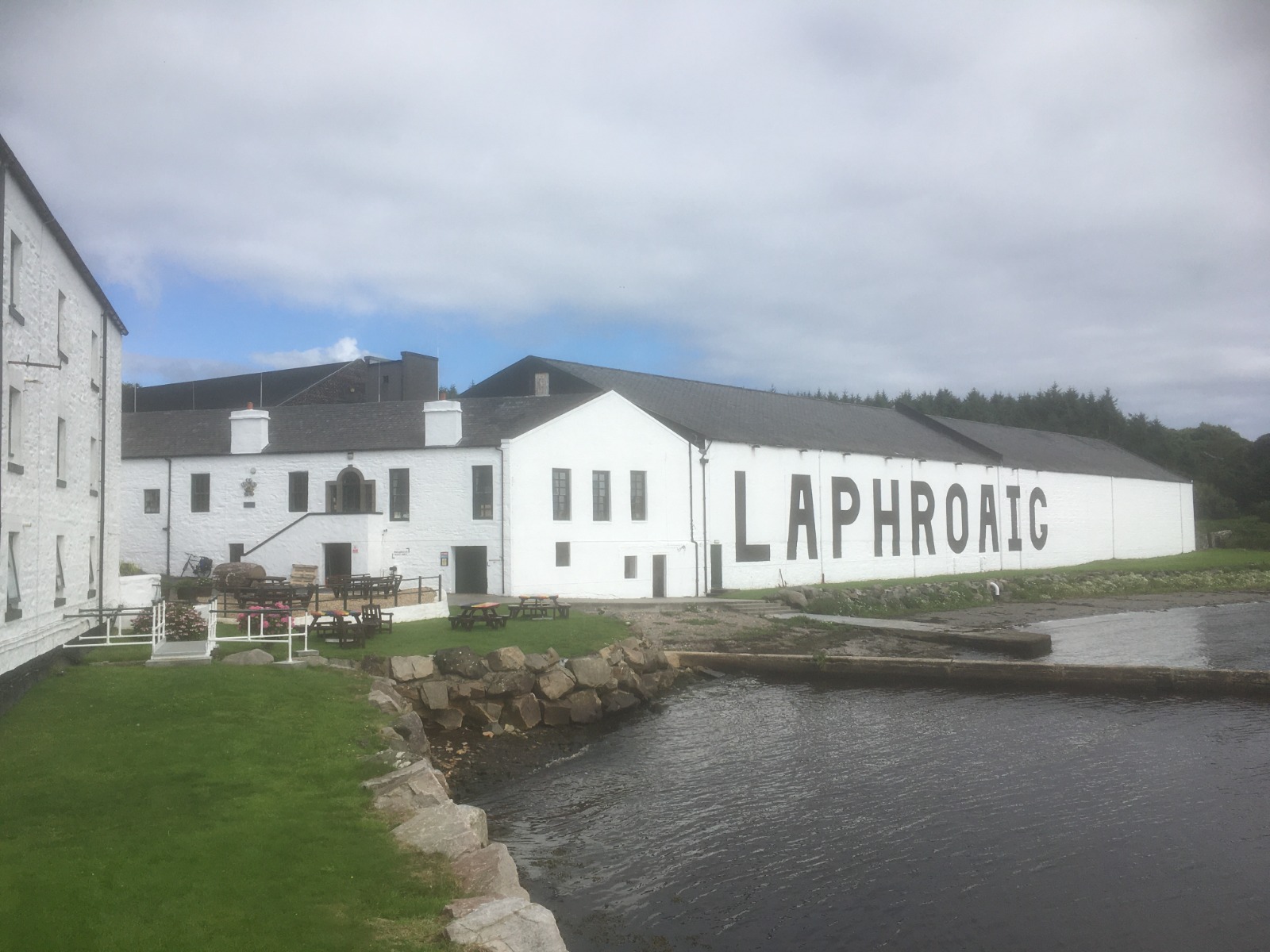
3. Laphroaig 10 Year Old -- Around £35
Laphroaig 10 is the benchmark for peated Islay whisky. Nothing else at this price comes close to its combination of intensity, complexity, and character. The nose is a wall of smoke, seaweed, and iodine that either captivates you immediately or sends you running. If it captivates you, you have found your whisky.
Beneath the smoke there is more going on than most people expect: vanilla sweetness from the bourbon casks, a distinct maritime saltiness, and a long, warming finish that lingers for minutes. It is bottled at 43% ABV, which gives it slightly more weight and texture than many standard bottlings.
Laphroaig divides opinion more than almost any other whisky. The people who love it really love it. If you have never tried a heavily peated Islay malt, this is the place to start.
Tasting notes: Peat smoke, iodine, seaweed, vanilla, sea salt, long warming finish. Region: Islay | ABV: 43% | Price: ~£35
4. Arran 10 Year Old -- Around £44
The Isle of Arran distillery only opened in 1995, making it one of Scotland's newer operations. But in under three decades it has established itself as one of the most consistent producers in the country. The 10 Year Old is the core expression and it is a genuine gem.
Bottled at 46% ABV without chill filtration, it has a texture and intensity that most distilleries reserve for their premium expressions. The nose is candied citrus and honey with a butterscotch note that develops beautifully with a drop of water. The palate is classic Arran: rounded citrus, vanilla, and a gentle coastal note from the island air.
Arran is unpeated, which makes it a good choice for drinkers who want character and complexity without smoke. At around £44, it is one of the best-value age-stated single malts available in the UK.
Tasting notes: Candied citrus, honey, butterscotch, vanilla, gentle coastal note, clean finish. Region: Highlands | ABV: 46% | Price: ~£44
5. Glen Scotia 12 Year Old -- Around £44
Campbeltown was once the whisky capital of the world. At its peak in the late 19th century, the small Kintyre town had over 30 distilleries. Today just three remain: Springbank, Glengyle, and Glen Scotia. This makes every bottle from Campbeltown a small act of preservation.
Glen Scotia 12 is the most accessible entry point into the Campbeltown style. Matured in ex-bourbon casks, it delivers the classic coastal saltiness that defines the region alongside gentle fruit notes, vanilla, and a subtle brininess that speaks of the sea air around the distillery. It is bottled at 46% ABV, which gives it presence without aggression.
At around £44, this is genuinely exceptional value for an age-stated single malt from one of Scotland's rarest whisky regions. If you want to drink something that tells a story, this is it.
Tasting notes: Coastal salt, vanilla, dried apricot, gentle sherry spice, long briny finish. Region: Campbeltown | ABV: 46% | Price: ~£44
6. Glenfarclas 10 Year Old -- Around £37
Glenfarclas is one of the last remaining family-owned distilleries in Scotland. The Grant family have been making whisky at Ballindalloch in Speyside since 1865, and they have never sold out to a multinational. That independence shows in the whisky.
What makes Glenfarclas unusual is that it matures all of its whisky in 100% Oloroso sherry casks. For a 10 Year Old at this price, that is remarkable. The result is a whisky with far more richness and complexity than you would expect: dried fruit, dark chocolate, warming spice, and a malty sweetness that lingers on the finish.
At around £37, Glenfarclas 10 is one of the most underrated bottles in Scotland. Sherry-matured whisky at this price is almost impossible to find elsewhere. If you enjoy the richer, darker style of Scotch, this should be in your regular rotation.
Tasting notes: Dried fruit, Oloroso sherry, dark chocolate, warming spice, long malty finish. Region: Speyside | ABV: 40% | Price: ~£37
7. Aberfeldy 12 Year Old -- Around £43
Aberfeldy sits in the heart of Perthshire, on the banks of the River Tay, and it makes one of the most distinctive Highland single malts available. The distillery draws its water from the Pitilie Burn, which runs through heather moorland rich in wild honey. That honeyed character comes through unmistakably in the whisky.
The 12 Year Old is matured in a combination of American oak and European oak casks, which gives it a profile that balances fresh fruit and heather honey on the nose with a richer, more complex palate of vanilla, toffee, and gentle spice. It is a whisky that rewards slow drinking.
Aberfeldy is also the home malt of Dewar's blended Scotch, which means it has the backing of a major producer without the premium pricing that often comes with it. At around £43, it is excellent value for a well-made, age-stated Highland single malt.
Tasting notes: Heather honey, fresh fruit, vanilla, toffee, gentle oak spice, warming finish. Region: Highlands | ABV: 40% | Price: ~£43
8. Tomatin 12 Year Old Triple Cask -- Around £49
Tomatin is one of Scotland's most underrated distilleries. It sits in the Monadhliath Mountains south of Inverness, and it has been making whisky since 1897. For most of its history it was a workhorse distillery supplying malt for blends. In recent years it has built a serious reputation for its own bottlings.
The 12 Year Old Triple Cask is the expression that has earned the most attention. Matured in a combination of ex-bourbon, ex-sherry, and virgin oak casks, it delivers a complexity that punches well above its price point. The nose is wild heather, vanilla, and light fruit. The palate adds dark chocolate, warming spice, and a subtle sweetness from the virgin oak.
At around £49, this is the most expensive bottle on this list, but it earns its place. The triple cask maturation produces a whisky that most distilleries would charge significantly more for.
Tasting notes: Wild heather, vanilla, dark chocolate, warming spice, subtle oak sweetness, long finish. Region: Highlands | ABV: 43% | Price: ~£49
9. Deanston Virgin Oak -- Around £32
Deanston is a converted cotton mill on the banks of the River Teith in Perthshire, and it makes whisky in a style that is unlike almost anything else in Scotland. The Virgin Oak expression is matured entirely in new, unused American oak casks, which is almost unheard of for Scotch whisky. The result is a whisky that tastes more like a premium bourbon than a traditional Scotch.
Thick custard, cinnamon, dried spice, and a nutty richness dominate the palate. The Deanston house style -- a rich, oily texture that carries the flavours beautifully -- makes this work in a way that a lighter spirit could not. It is excellent neat, outstanding in cocktails, and one of the best introductions to Scotch for bourbon drinkers.
At around £32, it is the second most affordable bottle on this list and one of the most distinctive. If you want something that stands out from the standard Speyside style, this is the answer.
Tasting notes: Custard, cinnamon, dried spice, vanilla, nutty richness, long warming finish. Region: Highlands | ABV: 46.3% | Price: ~£32
10. Edradour 10 Year Old -- Around £41
Edradour is one of Scotland's smallest distilleries, sitting in a picture-postcard glen near Pitlochry in Perthshire. For most of its history it was owned by Pernod Ricard and produced a perfectly decent but unremarkable 10 Year Old at 40% ABV. In 2002 it was bought by Signatory Vintage, one of Scotland's most respected independent bottlers, and the quality has risen steadily ever since.
The current 10 Year Old, bottled at 46% ABV without chill filtration, is a significant step up from what came before. It has the rich, creamy character that Edradour is known for -- think clotted cream, dried fruit, and a gentle spice -- but with more weight and intensity than the old 40% version. The finish is long and warming.
At around £41, this is one of the most rewarding bottles on this list. Edradour's tiny production means it has never been a mainstream name, but that is precisely what makes it interesting.
Tasting notes: Clotted cream, dried fruit, vanilla, gentle spice, long warming finish. Region: Highlands | ABV: 46% | Price: ~£41
How to Choose: A Quick Guide by Style
If you are not sure where to start, use this as your guide.
For your first bottle of Scotch, start with Glenfiddich 12 or Monkey Shoulder. Both are approachable, well-made, and widely available. Neither will intimidate you.
If you enjoy bourbon, try Deanston Virgin Oak or Monkey Shoulder. Both have the vanilla and spice character that bourbon drinkers recognise, in a Scottish context.
If you want something rich and sherried, Glenfarclas 10 is the obvious choice. Nothing else at this price delivers sherry cask maturation with this much character.
If you want to try peated whisky for the first time, Laphroaig 10 is the honest answer. It is not a gentle introduction -- it is the real thing. But if you like it, you will love it.
If you want the best value age-stated single malt, Arran 10 or Glen Scotia 12 are both exceptional. Both are bottled at 46% ABV without chill filtration, which is a level of quality that most distilleries reserve for more expensive expressions.
Frequently Asked Questions
What is the best Scotch whisky under £50?
For most drinkers, Glenfiddich 12 Year Old is the best starting point: it is consistently excellent, widely available at around £35, and covers the classic Speyside style that defines accessible Scotch. For those who want more character, Arran 10 Year Old at 46% ABV without chill filtration is arguably the best single malt at this price point. For sherry lovers, Glenfarclas 10 Year Old is almost impossible to beat. The honest answer is that the best bottle depends on your preferred style, but all 10 on this list over-deliver for the money.
What is the difference between single malt and blended Scotch?
A single malt is made from 100% malted barley at a single distillery. A blended Scotch combines malt whisky with grain whisky (made from other cereals, usually wheat or corn) from multiple distilleries. A blended malt (like Monkey Shoulder) combines single malts from multiple distilleries without any grain whisky. Single malts tend to have more distinctive character tied to a specific place. Blended Scotch tends to be more consistent and accessible. Neither is inherently better -- they are different styles for different occasions.
Should I add water to Scotch whisky?
Yes, if you want to. A few drops of still water can open up the aromas and soften the alcohol on higher-strength expressions. For bottles bottled at 46% ABV or above (Arran 10, Glen Scotia 12, Deanston Virgin Oak, Edradour 10), a small amount of water is often recommended. For standard 40% ABV expressions, water is less necessary but still a matter of personal preference. There is no rule. Drink it the way you enjoy it most.
Is single malt better than blended Scotch?
Not necessarily. The assumption that single malt is superior to blended Scotch is a marketing narrative that took hold in the 1980s and 1990s, when distilleries began promoting their own bottlings more aggressively. The reality is that some of the world's most complex and consistent whiskies are blends. Johnnie Walker Blue Label, Chivas Regal 25, and Compass Box Hedonism are all blended Scotch. Monkey Shoulder, which appears on this list, is a blended malt that outperforms many single malts at twice its price. Judge the whisky in the glass, not the label.
What is the best Scotch whisky for beginners?
Glenfiddich 12 Year Old is the most recommended starting point for good reason: it is light, fruity, and approachable without being bland. Monkey Shoulder is an equally good choice for those who prefer a smoother, more vanilla-forward style. Both are available in most supermarkets and off-licences across the UK. If you want to try something with more character from the start, Arran 10 Year Old is an excellent step up. Avoid heavily peated whiskies like Laphroaig until you have a sense of what you enjoy -- the smoke can be overwhelming if you are not expecting it.
Where can I buy these whiskies in the UK?
All 10 bottles on this list are available from major UK supermarkets (Tesco, Sainsbury's, Waitrose, Asda), online retailers (The Whisky Exchange, Master of Malt, Amazon), and specialist whisky shops. Glenfiddich 12 and Monkey Shoulder are the most widely stocked and can be found in most off-licences. Glen Scotia 12 and Edradour 10 may require a specialist retailer or online order. Prices vary between retailers, so it is worth comparing before you buy.