
Cask-It Journal
The Best Scottish Distillery Tours in 2026: Where to Go, What to Expect, and How to Plan It Right
Scotland's whisky visitor centres welcomed 2.7 million visits in 2024. With Bowmore 21 named World's Best Single Malt and 152 distilleries open to visitors, 2026 is the best year yet to plan your whisky tour. Here is the complete guide.
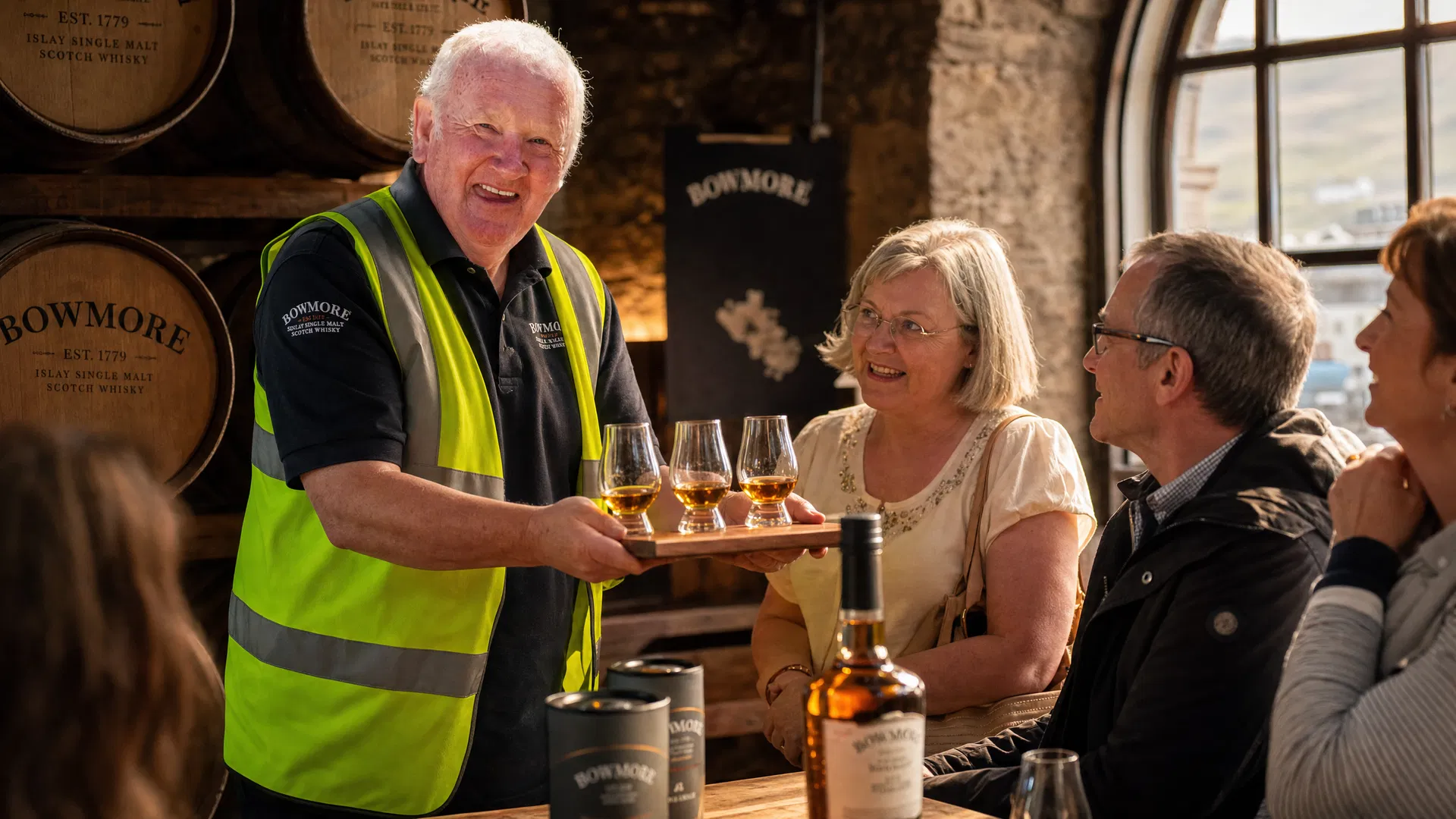
The Best Scottish Distillery Tours in 2026: Where to Go, What to Expect, and How to Plan It Right
Scotland's whisky tourism is having its biggest year on record. Scotch whisky visitor centres welcomed 2.7 million visits in 2024, with more than 60% of those visitors travelling from overseas. Visitor spend has more than doubled in the past decade. And with Bowmore 21 Year Old Sherry Oak Cask named World's Best Single Malt at the 2026 World Whiskies Awards, the spotlight on Scotland's distilleries has never been brighter.
If you are planning a whisky trip to Scotland in 2026, you are in good company. But with 152 operating distilleries spread across five officially recognised regions, the question of where to go and what to book is genuinely overwhelming. This guide cuts through it. Whether you have three days or three weeks, whether you want a polished visitor centre experience or a warehouse tasting with the distillery manager, there is a right answer for your trip.
Why 2026 Is the Best Year Yet to Visit a Scottish Distillery
The industry has invested heavily in visitor experiences over the past five years. Distilleries that once offered a 45-minute walk-through and a single dram are now building architectural visitor centres, Michelin-starred restaurants, and multi-day immersion programmes. The Macallan's £140 million estate in Speyside set a new benchmark when it opened, and dozens of distilleries have followed with their own upgrades.
At the same time, the post-tariff recovery has lifted the mood across the industry. The removal of US tariffs on Scotch in 2025 gave producers renewed confidence, and that optimism is visible on the ground. New releases are flowing, distillery shops are stocked, and the staff at most visitor centres are genuinely excited to talk about what they are making.
The 2026 World Whiskies Awards result is also worth noting for tour planners. Bowmore 21 Year Old Sherry Oak Cask taking the world's best single malt title puts Islay back at the centre of the conversation. If you have been wondering whether to make the journey to the island, that result is your answer.
The Five Regions: Which One Is Right for You?
Understanding Scotland's whisky regions is the single most useful thing you can do before booking any tours. Each region produces a distinct style, and your personal taste should drive your itinerary.
| Region | Flavour Profile | Best For | Signature Distilleries |
|---|---|---|---|
| Speyside | Fruity, honeyed, elegant | First-time visitors, those who prefer approachable drams | Glenfiddich, The Macallan, Glenfarclas |
| Islay | Peaty, smoky, coastal, medicinal | Peat lovers, adventurous drinkers | Bowmore, Ardbeg, Lagavulin, Bruichladdich |
| Highlands | Varied: heathery, rich, coastal | Road trip explorers, those wanting diversity | Dalmore, Glenmorangie, Highland Park |
| Lowlands | Light, grassy, gentle | Beginners, gin drinkers transitioning to whisky | Auchentoshan, Glenkinchie, Ailsa Bay |
| Campbeltown | Briny, oily, complex | Serious whisky drinkers, off-the-beaten-path seekers | Springbank, Glen Scotia, Glengyle |
| Highlands | Varied: maritime, smoky, heathery | Whisky and scenery combined | Highland Park (Orkney), Talisker (Skye), Arran |
If you are new to Scotch, start in Speyside. The region has the highest concentration of distilleries in Scotland, the infrastructure for visitors is excellent, and the whiskies are forgiving and complex without being challenging. If you already know you love peated whisky, go to Islay first and work backwards.
The Best Distillery Tours in Scotland for 2026
Glenfiddich, Dufftown (Speyside)
Glenfiddich is the world's most visited distillery for good reason. The tour is polished, the guides are knowledgeable, and the range of experiences on offer covers every level of interest and budget. The standard tour runs around £15 and includes a tasting of three expressions. The Pioneers Experience, at around £40, takes you deeper into the production process and includes a warehouse visit. For serious enthusiasts, the Solera Vatting Experience lets you blend your own whisky from different casks.
What makes Glenfiddich worth visiting even if you have been before is the sheer scale of the operation. Seeing 40-plus copper pot stills in a single stillhouse is genuinely impressive. The distillery is also free to walk around the grounds, which are beautifully maintained.
Book in advance. Peak season tours (June to September) sell out weeks ahead.
The Macallan Estate, Craigellachie (Speyside)
The Macallan's visitor centre is the most architecturally striking building in Scottish whisky. Designed by Rogers Stirk Harbour and Partners, the undulating grass roof rises from the hillside like a natural formation. Inside, the tours are among the most expensive in Scotland -- the standard Discovery Tour runs around £25 -- but the experience justifies it. You walk through the production process in a building that feels more like a contemporary art gallery than a working distillery.
The Macallan is also home to one of the best distillery restaurants in Scotland. A lunch or dinner reservation alongside your tour makes for a full day. Book the restaurant at the same time as your tour; both fill up quickly.
Bowmore Distillery, Islay
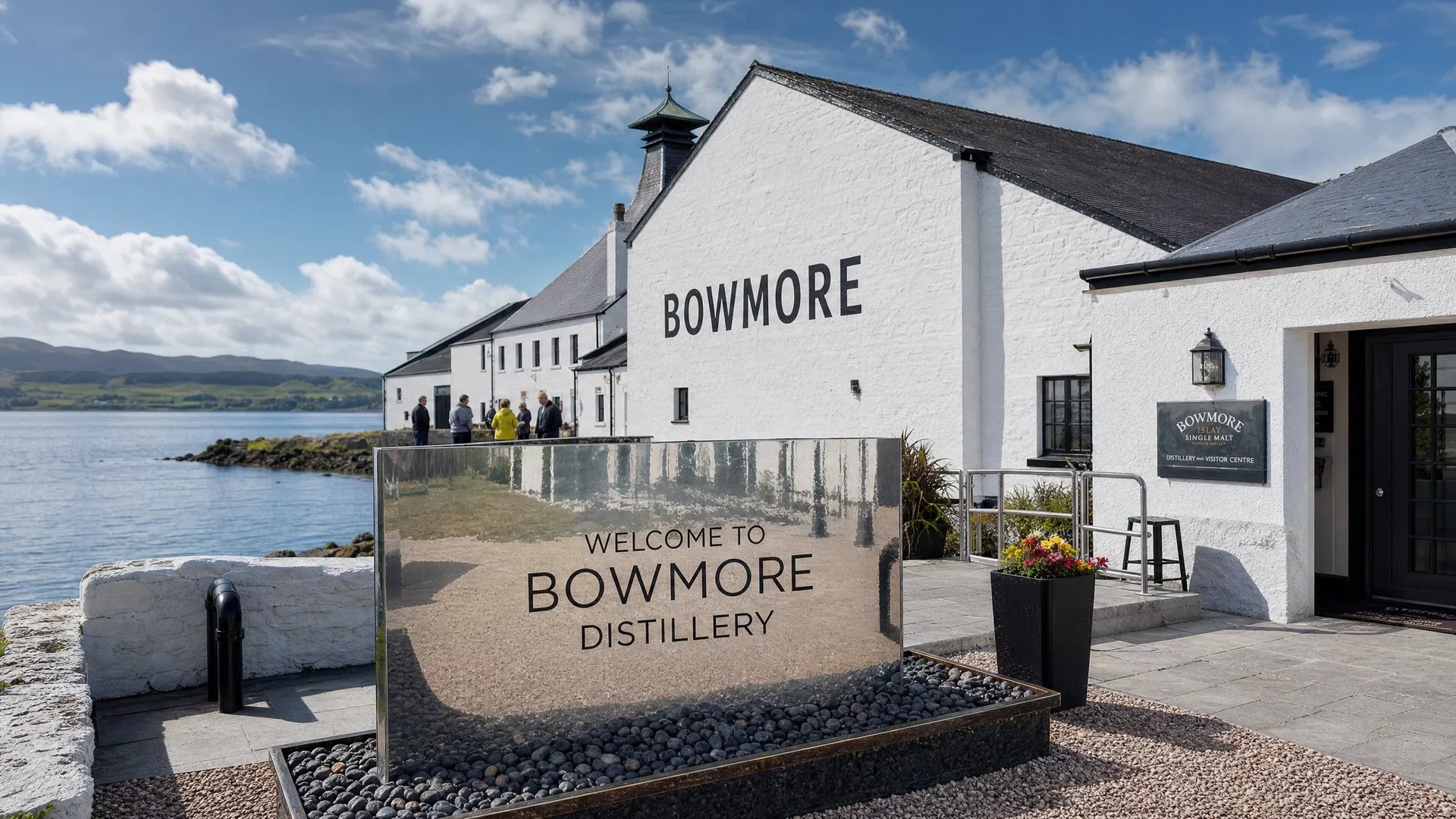
Bowmore just won the world's best single malt title, and visiting the distillery that produces it is a genuinely moving experience. Bowmore is the oldest distillery on Islay, founded in 1779, and it sits at the head of Loch Indaal in the village of Bowmore. The No.1 Vaults, where the whisky matures below sea level, is one of the most atmospheric spaces in Scottish whisky.
The standard tour runs around £15 and includes a tasting of three expressions. The Warehouse Experience, at around £40, takes you into the No.1 Vaults for a tutored tasting directly from the cask. If you are visiting Islay specifically for the whisky, this is the tour to book.
Getting to Islay requires either a ferry from Kennacraig (around 2 hours) or a short flight from Glasgow. Plan at least two nights on the island to do it justice.
Ardbeg Distillery, Port Ellen (Islay)
Ardbeg produces one of the most intensely peated whiskies in the world, and the distillery itself has a cult following that borders on religious. The visitor centre is warm and unpretentious, the cafe serves excellent food, and the staff are among the most passionate you will encounter anywhere in Scotland.
The Ardbeg Experience tour runs around £20 and includes a tasting of three expressions. The Ardbeg Exclusive tour, available to Ardbeg Committee members, includes older and rarer expressions. If you are an Ardbeg fan, joining the Committee before your visit is worth doing -- membership is free and gives you access to exclusive bottlings in the distillery shop.
Ardbeg sits about a mile from Lagavulin and three miles from Laphroaig. All three can be visited in a single day, which makes the south coast of Islay one of the most rewarding whisky itineraries in the world.
Springbank Distillery, Campbeltown
Springbank is the most traditional distillery in Scotland. It is one of only a handful that still malts its own barley on-site, and the entire production process from grain to bottle happens within the distillery walls. Tours are limited, deliberately so, and they sell out months in advance. If you can get a place, do not miss it.
The standard tour runs around £20 and includes a tasting of three expressions. The distillery also offers occasional warehouse tastings and bottling days, which are announced through their mailing list. Campbeltown itself is a small town on the Kintyre peninsula, about two and a half hours from Glasgow by car. The drive down the peninsula is spectacular.
Highland Park Distillery, Kirkwall (Orkney)
Highland Park is the northernmost whisky distillery in Scotland, located on the island of Orkney. The distillery still uses traditional floor malting, and the peat it uses comes from Hobbister Moor, giving the whisky a distinctive heathery, floral character that sets it apart from the more aggressive peat of Islay.
Getting to Orkney is an adventure in itself. Flights from Edinburgh, Inverness, or Aberdeen take around an hour. The ferry from Scrabster to Stromness takes around 90 minutes. Once there, the Ring of Brodgar, Skara Brae, and Maeshowe are all within easy reach of the distillery. A Highland Park visit combined with two or three days exploring Orkney's Neolithic sites is one of the most unusual and rewarding whisky trips you can plan.
Tours run from around £15 for the standard experience to £75 for the premium tasting. Book ahead in summer.
Bruichladdich Distillery, Islay
Bruichladdich is the most unconventional distillery on Islay. It produces three distinct whisky styles -- the unpeated Bruichladdich, the heavily peated Port Charlotte, and the super-heavily peated Octomore, which is the most heavily peated whisky commercially available anywhere in the world. The distillery is also known for its transparency about production methods and its commitment to using Scottish-grown barley.
The tours are excellent and the guides are among the most knowledgeable on the island. The Classic Laddie Tour runs around £15. The Warehouse Experience, at around £35, includes a tasting from cask in one of the traditional dunnage warehouses. If you are visiting Islay and can only do two distilleries, Bowmore and Bruichladdich together cover the full spectrum of the island's character.
Glenmorangie Distillery, Tain (Highlands)
Glenmorangie is one of Scotland's most accessible Highland distilleries, located in the town of Tain on the Dornoch Firth. The distillery is famous for having the tallest pot stills in Scotland -- at 5.14 metres, they are as tall as a giraffe, a fact the distillery is rightly proud of. The height of the stills forces the heavier compounds back down into the still, producing an unusually light and delicate spirit.
The Beyond the Ridge tour runs around £20 and includes a tasting of three expressions. The distillery is also a short drive from Dunrobin Castle and the Dornoch Firth, making it a natural stop on a Highland road trip.
How to Plan Your Distillery Tour Itinerary
The Three-Day Speyside Circuit
Day one: Arrive in Dufftown. Visit Glenfiddich in the afternoon. Dinner at the Craigellachie Hotel. Day two: The Macallan in the morning, Glenfarclas in the afternoon. Both are within 15 minutes of each other. Day three: Drive the Malt Whisky Trail through Cardhu, Strathisla, and the Speyside Cooperage before heading home.
The Five-Day Islay Immersion
Day one: Ferry from Kennacraig to Port Askaig. Check in, explore the island. Day two: Ardbeg, Lagavulin, Laphroaig on the south coast. Day three: Bowmore in the morning, Bruichladdich in the afternoon. Day four: Bunnahabhain and Caol Ila on the north coast. Day five: Ferry home.
The Seven-Day Grand Tour
Days one and two: Edinburgh. Scotch Whisky Experience and Holyrood Distillery. Days three and four: Speyside. Glenfiddich, The Macallan, Glenfarclas. Day five: Drive north to Tain. Glenmorangie. Day six: Inverness to Orkney. Highland Park. Day seven: Return south via the Cairngorms.
What to Expect at a Distillery Tour
Most standard distillery tours last between 45 minutes and 90 minutes and follow a similar structure: a brief history of the distillery, a walk through the production process from malting to maturation, and a tasting of two or three expressions at the end. Prices range from £10 to £25 for the standard experience.
Premium tours -- warehouse tastings, cask sampling, blending experiences, and private tours with the distillery manager -- typically run from £40 to £150 and need to be booked well in advance. These are worth the extra cost if whisky is the primary reason for your trip. The difference between tasting a whisky in a visitor centre and tasting it directly from the cask in a dunnage warehouse, with the distillery manager explaining what you are drinking, is significant.
A few practical notes. Most distilleries require advance booking, particularly in summer. Driving between distilleries means someone in your group needs to be the designated driver, or you need to plan around public transport and taxis. Many distillery tours include a dram at the end, and the cumulative effect of visiting three or four distilleries in a day adds up quickly. Pace yourself.
Frequently Asked Questions
What is the best distillery to visit in Scotland for a first-time visitor? Glenfiddich in Dufftown, Speyside, is the most consistently recommended starting point. The tours are well-structured, the guides are excellent, the whisky is approachable, and the distillery is easy to reach by car from Inverness or Aberdeen. If you want something more intimate, Glenfarclas in Ballindalloch is family-owned, unpretentious, and produces some of the finest sherry-matured single malts in Scotland.
How much does a distillery tour cost in Scotland? Standard tours typically cost between £10 and £25 and include a tasting of two or three expressions. Premium experiences -- warehouse tastings, cask sampling, blending sessions, and private tours -- range from £40 to £150. Most distilleries also have a shop where you can buy bottles exclusive to the distillery, so budget accordingly.
Which Scottish distillery won the World's Best Single Malt in 2026? Bowmore Distillery on Islay won the World's Best Single Malt title at the 2026 World Whiskies Awards, with its 21 Year Old Sherry Oak Cask. Bowmore is one of the oldest distilleries on Islay, founded in 1779, and its No.1 Vaults -- where whisky matures below sea level -- is one of the most atmospheric spaces in Scottish whisky.
Do I need to book distillery tours in advance? Yes, particularly in summer (June to September) and during festival periods such as Feis Ile on Islay in May. Popular distilleries like The Macallan, Bowmore, and Springbank sell out weeks or months ahead. Booking at least four to six weeks in advance is recommended for any premium experience. Standard tours at less-visited distilleries can often be booked a few days ahead.
What is the best time of year to visit Scottish distilleries? May and June offer the best combination of long daylight hours, reasonable weather, and manageable crowds. July and August are the busiest months and the most expensive for accommodation. September and October are excellent for the autumn light and the quieter roads. Winter visits (November to February) are possible and often cheaper, but some smaller distilleries reduce their tour schedules, and the weather on Islay and Orkney can be challenging.
Can I visit multiple distilleries in one day? Yes, particularly in Speyside where distilleries are clustered within a few miles of each other. The south coast of Islay -- Ardbeg, Lagavulin, and Laphroaig -- can comfortably be visited in a single day. The practical limit is usually three distilleries per day if you are doing full tours with tastings at each. Beyond that, the experience starts to blur and the driving becomes a concern.