
Cask-It Journal
How to Read a Scotch Whisky Label
Age statements, NAS, cask finish, ABV, non-chill filtered, natural colour. A Scotch whisky label tells you everything about what is in the bottle. Here is what every number and word actually means.
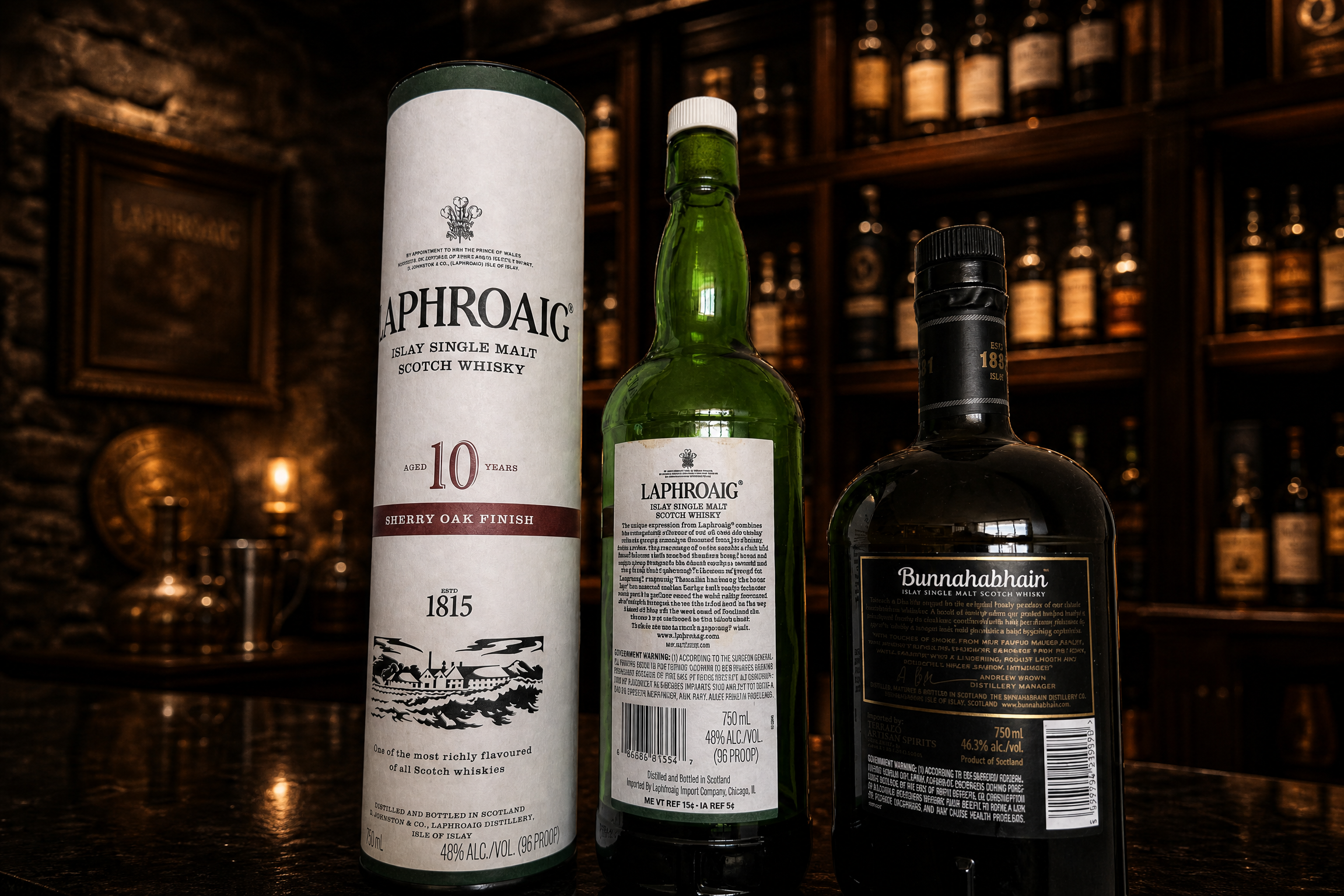
You pick up a bottle of Scotch. The label says 12 Years Old, 46% ABV, Non-Chill Filtered, Sherry Cask Finish, Single Malt, Speyside. You have no idea which of those things matters most. You buy it anyway and hope for the best.
That is how most people start. There is no shame in it. But once you understand what a whisky label is actually telling you, you stop guessing and start choosing. This guide covers every term you will see on a Scotch whisky label, what it means, and why it matters to what ends up in your glass.
The Distillery Name and Region
The distillery name is the most important thing on the label. It tells you who made it and, by extension, what style to expect. Speyside distilleries like Glenfiddich and Macallan tend toward fruit and sweetness. Islay distilleries like Ardbeg and Laphroaig are known for peat and smoke. Highlands and Islands cover a wide range. Lowlands are typically lighter and more floral.
The region is not always printed on the label, but it is worth knowing. If you see Speyside Single Malt or Islay Single Malt, that is a strong signal about the flavour profile before you even open the bottle.
Single Malt vs Blended
Single malt means the whisky was made at a single distillery using malted barley and pot stills. It does not mean it came from a single cask or a single batch. Most single malts are a blend of many casks from the same distillery, combined to achieve a consistent house style.
Blended Scotch means whisky from multiple distilleries has been combined. Johnnie Walker, Famous Grouse, and Chivas Regal are all blends. Blended does not mean inferior. The best blenders in Scotland spend careers perfecting their craft. Blended Scotch accounts for around 90% of all Scotch sold worldwide.
Blended malt (sometimes called vatted malt) is a blend of single malts from different distilleries, with no grain whisky involved. Single grain is made at a single distillery but uses grains other than malted barley, typically in a column still.
The Age Statement
The number on the label, such as 12, 15, or 18, tells you the minimum age of the whisky in the bottle. If it says 12 Years Old, every drop of whisky in that bottle spent at least 12 years in oak casks. Some of it may be older. The age statement refers to the youngest component.
Age is not a direct measure of quality. A well-made 10-year-old from a great distillery will outperform a poorly made 18-year-old every time. Age matters because time in cask adds complexity, colour, and flavour. But the wood, the climate, the cask type, and the skill of the distiller all matter just as much.
Older whiskies are generally more expensive because fewer casks survive long maturation, and the distillery has tied up capital for longer. A 25-year-old Scotch is rare not because it is automatically better, but because most of it has evaporated through the angel's share or been bottled younger.
NAS: No Age Statement
NAS stands for No Age Statement. The bottle carries no number because the distillery has chosen not to declare the age of the youngest whisky in the blend. This is legal and common. Some of the best whiskies in the world carry no age statement.
Distilleries use NAS for two main reasons. First, it gives the blender more flexibility to create a consistent flavour profile without being constrained by age. Second, it allows younger whisky to be bottled at a price point that an age statement would not support.
NAS is not inherently a red flag. Ardbeg Uigeadail, one of the most decorated whiskies on the planet, carries no age statement. Neither does Glenfarclas 105 in its standard form. Judge NAS whiskies by what is in the glass, not by what is missing from the label.
ABV: Alcohol by Volume
ABV tells you the strength of the whisky. Scotch must be bottled at a minimum of 40% ABV by law. Most standard expressions sit between 40% and 46%. Cask strength whiskies can reach 55% to 65% ABV or higher.
Higher ABV is not better by default. It means the whisky was either bottled directly from the cask without dilution (cask strength) or bottled at a higher strength by choice. Many distillers argue that 46% is the sweet spot for flavour delivery without the burn of a very high ABV.
If you see 40% ABV, the distillery has added water to bring it down from cask strength. If you see 46% or above, there is typically less dilution. At 46% and above, many distillers also skip chill filtration, which brings us to the next term.
Non-Chill Filtered
Chill filtration is a process where whisky is chilled to around 0 degrees Celsius and passed through a filter to remove fatty acids and proteins. These compounds can cause the whisky to go hazy when cold water or ice is added. Chill filtration makes the whisky look clearer in the glass.
The trade-off is that chill filtration removes some of the compounds that carry flavour and texture. Many distillers and whisky enthusiasts argue that non-chill filtered whisky has more body, more mouthfeel, and a richer flavour profile.
If the label says Non-Chill Filtered or NCF, the distillery has chosen to keep those flavour compounds in the bottle. You may notice a slight haze if you add cold water. That haze is not a fault. It is a sign of what is in there.
Natural Colour
Scotch whisky regulations permit the addition of E150a caramel colouring to adjust the colour of the final product. This is legal and widely used, particularly in large blended Scotch brands, to ensure colour consistency across batches.
If the label says Natural Colour or No Added Colouring, the colour in the bottle comes entirely from the cask. A pale gold whisky matured in ex-bourbon barrels and a deep mahogany whisky matured in sherry butts will look very different. That difference is real information about what the cask contributed.
Natural colour is not a guarantee of quality, but it is a transparency statement. The distillery is telling you that what you see is what the wood gave them.
Cask Type and Finish
The cask section of a label tells you where the whisky spent its time maturing. This is one of the most important flavour signals on the bottle.
Ex-bourbon casks are the most common in Scotch production. American bourbon must be matured in new oak, so distilleries in Scotland buy the used barrels cheaply. Ex-bourbon casks tend to give vanilla, honey, coconut, and light spice notes.
Sherry casks, typically Oloroso or Pedro Ximenez, give rich fruit, dried fruit, chocolate, and spice. Macallan, GlenAllachie, and Glenfarclas are known for heavy sherry cask influence. Sherry casks are expensive and increasingly rare, which is why sherry-matured whiskies carry a premium.
A finish means the whisky spent most of its life in one cask type and was then transferred to a second cask for a shorter final period, typically six months to two years. A Sherry Cask Finish means the whisky finished in sherry wood. A Port Finish means it ended in port pipes. The finish adds a layer of flavour on top of the base character.
Other cask types you will see include wine casks (Sauternes, Burgundy, Bordeaux), rum casks, cognac casks, and STR casks (Shaved, Toasted, Re-charred). Each one leaves a different fingerprint on the whisky.
Distillery Bottling vs Independent Bottling
Most whisky is bottled by the distillery that made it. This is called an official bottling or OB. The distillery controls the recipe, the cask selection, and the presentation.
Independent bottlers are companies that buy individual casks from distilleries and bottle them under their own label. Gordon and MacPhail, Signatory Vintage, and Berry Bros and Rudd are among the most respected. An independent bottling will often name the distillery, the cask number, the distillation date, and the bottling date. These are single cask releases with no blending.
Independent bottlings can be extraordinary. They can also be inconsistent, because each cask is different. When you see a label from an independent bottler, you are buying a one-off. Once that cask is gone, it is gone.
Vintage and Distillation Date
Some bottles carry a distillation year, a bottling year, or both. A bottle that says Distilled 2005, Bottled 2023 was in cask for 18 years, even if it carries no age statement. This is useful information.
Vintage releases are tied to a specific year's production. The character of a vintage can vary based on the barley harvest, the weather during fermentation, and the condition of the casks that year. Collectors and enthusiasts track vintages the way wine drinkers track great years.
Cask Strength
Cask strength means the whisky was bottled directly from the cask without dilution. The ABV will vary from bottle to bottle and batch to batch, because every cask is different. Cask strength whiskies typically sit between 55% and 65% ABV, though some reach higher.
Cask strength whiskies are typically more intense and more complex. They also allow you to add your own water to find the strength that suits you. Many experienced drinkers prefer cask strength because it gives them control over the final experience.
Putting It Together
When you pick up a bottle and read the label, you now have a framework. The distillery tells you the style. The region tells you the flavour territory. The age statement tells you the minimum time in wood. The ABV tells you the strength. The cask type tells you the dominant flavour influence. NCF and natural colour tell you how much the distillery has intervened.
A label that reads Speyside Single Malt, 15 Years Old, 46% ABV, Non-Chill Filtered, Natural Colour, Sherry Cask Finish is telling you a complete story. Rich fruit, dried fruit, some spice, full body, real colour from real wood, and enough strength to carry the flavour without burning.
You are no longer guessing. You are reading.
Frequently Asked Questions
What does NAS mean on a Scotch whisky label? NAS stands for No Age Statement. It means the distillery has not declared the age of the youngest whisky in the bottle. NAS whiskies are legal, common, and can be excellent. Some of the most awarded Scotch whiskies in the world carry no age statement. Judge them by flavour, not by the absence of a number.
What is the difference between single malt and blended Scotch? Single malt Scotch is made at a single distillery using malted barley and pot stills. Blended Scotch combines whisky from multiple distilleries. Single malt does not mean better. Blended Scotch accounts for around 90% of all Scotch sold globally, and the best blends are the work of highly skilled craftspeople.
What does non-chill filtered mean on a whisky label? Non-chill filtered (NCF) means the distillery did not chill the whisky and pass it through a filter before bottling. Chill filtration removes some flavour compounds to prevent the whisky going hazy when cold water is added. Skipping this process preserves more body and flavour. NCF whiskies may go slightly hazy with ice or cold water. That is normal.
Does a higher ABV mean better whisky? Not automatically. Higher ABV means less dilution before bottling. Cask strength whiskies at 55% to 65% ABV are intense and complex, but that does not make a 40% ABV whisky inferior. Many distillers consider 46% the ideal bottling strength for flavour. The ABV tells you about the strength, not the quality.
What is a cask finish in Scotch whisky? A cask finish means the whisky spent most of its maturation in one type of cask and was then transferred to a second cask for a shorter final period. A sherry cask finish adds dried fruit and spice. A port finish adds red fruit and sweetness. The finish layers additional flavour on top of the whisky's base character without replacing it.
What is the difference between an official bottling and an independent bottling? An official bottling (OB) is released by the distillery that made the whisky. An independent bottling is released by a separate company that bought individual casks from the distillery. Independent bottlings are often single cask releases with specific distillation and bottling dates. They can be exceptional and unique, but they are one-offs. Once the cask is empty, that expression is gone.