Cask-It Journal
What to Expect on Your First Scottish Distillery Tour
First distillery tour? Here is exactly what happens, what you will see, what you will taste, and how to make the most of the experience - from a couple who have done it dozens of times.
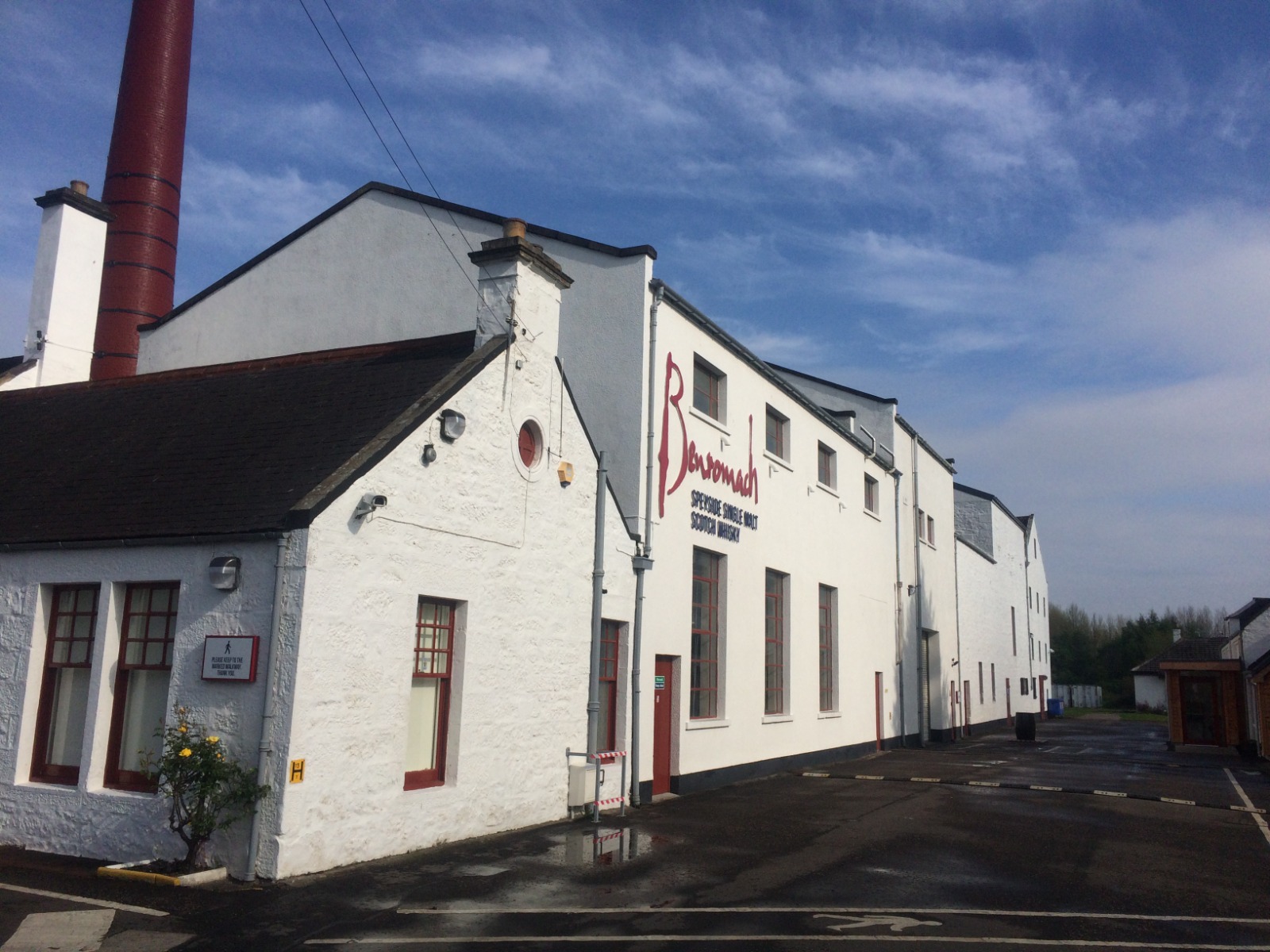
Your first distillery tour is one of those experiences that changes how you think about whisky. Walking through a working distillery - smelling the mash tun, feeling the heat from the stills, seeing the rows of maturing casks in a dunnage warehouse - makes the spirit in your glass feel completely different. Here is what to expect.
What Happens on a Standard Distillery Tour
Most distillery tours follow a similar structure, taking you through the five key stages of whisky production.
Malting. Barley is soaked in water and allowed to germinate, converting starches into fermentable sugars. Most distilleries now buy their malt from commercial maltsters, but a few - including Springbank, Bowmore, and Laphroaig - still malt some or all of their barley on-site. If you visit a distillery with its own malting floor, this is one of the most atmospheric parts of the tour.
Mashing. The malted barley is ground into a coarse flour called grist and mixed with hot water in a large vessel called a mash tun. The resulting liquid, called wort, contains the fermentable sugars that will become alcohol.
Fermentation. The wort is transferred to large wooden or stainless steel vessels called washbacks, where yeast is added. Fermentation takes 48 to 72 hours and produces a liquid called wash with an alcohol content of around 8%. The smell in the fermentation room is extraordinary - fruity, yeasty, and alive.
Distillation. The wash is distilled twice (or three times at some Lowland distilleries) in copper pot stills. The shape of the still has a significant influence on the character of the spirit. Tall, slender stills produce lighter, more delicate spirits. Short, squat stills produce heavier, more robust ones. The new make spirit that comes off the stills is clear and typically around 65 to 70% ABV.
Maturation. The new make spirit is filled into oak casks and left to mature for a minimum of three years by law. Most single malts are aged for 10 to 25 years. The cask does the majority of the work - up to 70% of the final flavour comes from the wood. Ex-bourbon American oak casks give vanilla and coconut notes. Ex-sherry European oak casks add dried fruit, spice, and richness.
The Tasting
Every distillery tour ends with a tasting. This is the part most people look forward to, and it is genuinely educational. A good guide will walk you through the flavours, explain how to nose the whisky properly, and help you understand what you are tasting and why.
Add a small amount of water to your dram. This is not a sign of weakness - it opens up the aromas and softens the alcohol, making the flavours more accessible. Most distilleries provide a small water jug for this purpose.
Take your time. Nose the whisky before you taste it. Let it sit on your palate. Think about what you are experiencing. The more attention you pay, the more you will get from the experience.
Practical Tips for Your First Tour
Book in advance. Premium tours at Glenfiddich, The Macallan, Springbank, and Laphroaig fill up weeks or months ahead. Standard tours at smaller distilleries are often available on the day, but booking ahead is always advisable.
Eat before you go. You will be tasting whisky, and an empty stomach is not a good idea. A proper lunch before your first tour of the day is strongly recommended.
Wear comfortable shoes. Distilleries involve a lot of walking on uneven surfaces, including cobblestones, wooden floors, and warehouse floors. Heels are not practical.
Ask questions. Distillery guides are passionate about what they do. The best tours are conversations, not lectures. Ask about the cask programme, the water source, the yeast strain, the still shape - anything you are curious about.
Buy something at the distillery shop. Distillery exclusives - expressions only available at the distillery itself - are often the most interesting bottles you will find. They are also a genuine souvenir of the experience.
Frequently Asked Questions
How long does a distillery tour take? Standard tours take 60 to 90 minutes. Premium experiences, including masterclasses and cask tastings, can take 2 to 3 hours. Allow extra time for the shop and any additional tastings.
Can you drive after a distillery tour? You should not drive after consuming alcohol. If you are driving, most distilleries offer non-alcoholic alternatives or allow you to take your tasting dram home in a sealed sample bottle. Plan your itinerary so that the driver can enjoy a full tasting at the final stop of the day.
What is the minimum age for distillery tours? Most distilleries allow children on tours but do not permit them to taste whisky. Some premium experiences are adults-only. Check the specific distillery's policy when booking.
How much does a distillery tour cost? Standard tours typically cost between £10 and £25 per person. Premium experiences with extended tastings and exclusive drams can cost £50 to £150 or more. Many distilleries offer free standard tours with a purchase from the shop.
What should I wear on a distillery tour? Comfortable, practical clothing and flat shoes. Distilleries can be cold in the warehouse areas even in summer, so a layer is useful. Some distilleries require hard hats in production areas, which are provided on arrival.