
Cask-It Journal
Which Scottish Whisky Region Should You Visit First?
Speyside, Islay, Highlands, Lowlands, or Campbeltown - each region offers something completely different. Here is how to choose the right one for your first Scotland whisky trip.
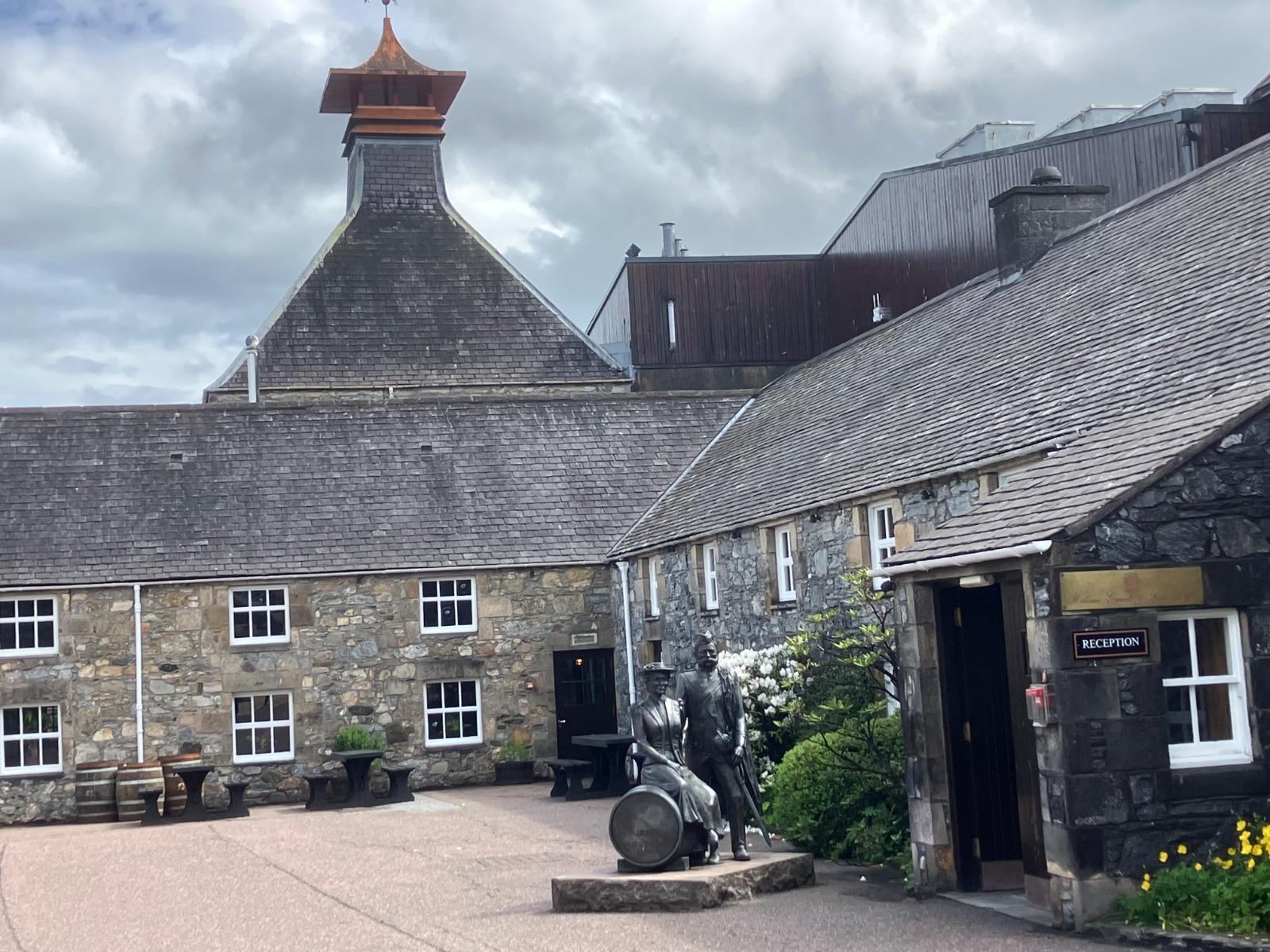
Scotland has five official whisky regions, and each one offers a completely different experience. The question of which to visit first is one of the most common questions we get asked at Cask-It™. The honest answer is that it depends entirely on what you want from your trip.
Speyside: The Best Starting Point for Most Visitors
If you are visiting Scotland for whisky for the first time, Speyside is the logical choice. The region has more distilleries than anywhere else in Scotland - over 50 active distilleries in a relatively compact area - and the infrastructure for whisky tourism is the best in the country.
The Malt Whisky Trail connects nine distilleries and the Speyside Cooperage on a self-guided driving route. Glenfiddich has one of the world's best distillery visitor centres. The Macallan's new distillery building is an architectural statement. Glenfarclas and Benromach offer intimate, family-owned experiences that feel completely different from the big names.
The whiskies themselves are approachable - fruity, honeyed, and complex without being challenging. Speyside is where most people fall in love with single malt Scotch whisky.
Best for: First-time visitors, those who prefer fruity and elegant whiskies, anyone who wants the widest choice of distilleries in one area.
Islay: The Most Atmospheric Whisky Destination on Earth
Islay is not the easiest region to reach, but it is the most rewarding. Ten distilleries on a small island of just 3,200 residents, a genuine sense of community, and some of the most dramatic coastal scenery in Scotland. The Three Distilleries Path connecting Ardbeg, Lagavulin, and Laphroaig is one of the great whisky pilgrimages in the world.
The whiskies are bold, peated, and intensely maritime. If you love smoky whisky, Islay is the pilgrimage. If you are new to peated whisky, start with Bowmore or Bunnahabhain before working your way to Ardbeg and Laphroaig.
The Feis Ile festival in May is the best time to visit - distilleries open for special events, limited releases are available at the gate, and the island has an electric atmosphere.
Best for: Peated whisky lovers, those who want an immersive island experience, festival-goers.
Highlands: The Most Diverse Region
The Highlands is the largest whisky region in Scotland, stretching from Perthshire in the south to Caithness in the far north. The diversity of styles is enormous - from the light and floral whiskies of the southern Highlands to the rich, full-bodied expressions of the north coast.
The island distilleries officially within the Highland region - Talisker on Skye, Highland Park on Orkney, Arran, and Jura - add maritime and smoky notes to the mix. Getting to these distilleries requires ferries or flights, but the journeys are spectacular.
Glengoyne near Glasgow is one of the most beautiful distilleries in Scotland and an easy day trip from the city. Dalwhinnie, at the highest altitude of any Scottish distillery, is a dramatic stop on the A9. Old Pulteney in Wick is the most northerly mainland distillery.
Best for: Those who want variety, road trip enthusiasts, visitors combining whisky with Highland scenery.
Lowlands: The Best Introduction to Scotch
The Lowlands produces the lightest, most approachable whiskies in Scotland. If you are new to Scotch whisky and not sure where to start, a Lowlands distillery tour is the gentlest introduction. Auchentoshan near Glasgow uses triple distillation to produce an exceptionally smooth spirit. Glenkinchie near Edinburgh is an easy day trip from the capital.
The Scotch Whisky Experience on the Royal Mile in Edinburgh is also worth visiting - it covers all five regions and gives you a solid foundation before you start exploring the distilleries themselves.
Best for: Beginners, those visiting Edinburgh or Glasgow, anyone who finds heavily peated or sherried whiskies too intense.
Campbeltown: For the Dedicated Whisky Pilgrim
Campbeltown is the hardest region to reach and has the fewest distilleries - just three. But Springbank is one of the most revered distilleries in Scotland, the only one that still malts, distils, matures, and bottles all its whisky on-site. Tours are limited and must be booked well in advance.
The town itself has a faded grandeur that adds to the atmosphere. The drive down the Kintyre Peninsula is one of the most scenic in Scotland.
Best for: Dedicated whisky enthusiasts, those who want to visit a truly authentic, traditional distillery.
Our Recommendation
For a first visit to Scotland: Speyside. The infrastructure is excellent, the whiskies are approachable, and the concentration of distilleries means you can visit four or five in a single day.
For a second visit: Islay. Once you have the foundation of Speyside, Islay's intensity and atmosphere will make complete sense.
After that, the Highlands, Lowlands, and Campbeltown each reward in their own way.
Frequently Asked Questions
Can I visit multiple whisky regions in one trip? Yes. A typical Scotland whisky trip combines Speyside and the Highlands in a 7 to 10 day itinerary. Adding Islay requires an extra 3 to 4 nights due to the ferry crossing. Campbeltown can be combined with Islay via the Kintyre Peninsula. The Lowlands are easily visited as a day trip from Edinburgh or Glasgow at the start or end of a longer trip.
How long do I need for a Speyside whisky trip? Allow a minimum of 3 nights in Speyside to cover the main distilleries on the Malt Whisky Trail without rushing. Five nights gives you time to explore the smaller, less-visited distilleries and enjoy the villages of Dufftown, Aberlour, and Craigellachie.
Do I need to book distillery tours in advance? Yes, for most premium experiences. Glenfiddich, The Macallan, Springbank, and Laphroaig all require advance booking. Standard tours at smaller distilleries are often available on the day, but booking ahead is always advisable in peak season.
What is the best whisky region for non-whisky drinkers? The Lowlands and Speyside offer the most approachable whiskies for those new to Scotch. The Scotch Whisky Experience in Edinburgh is an excellent starting point for anyone who wants to understand the different styles before committing to a specific region.