
Cask-It Journal
The Craft of Coopering: The Forgotten Trade Behind Every Dram
Most whisky lovers can name the distillery, the region, and the cask type. Very few have stood at a viewing gallery and watched a master cooper rebuild a 200-litre barrel by hand. We did. Here is what we saw.
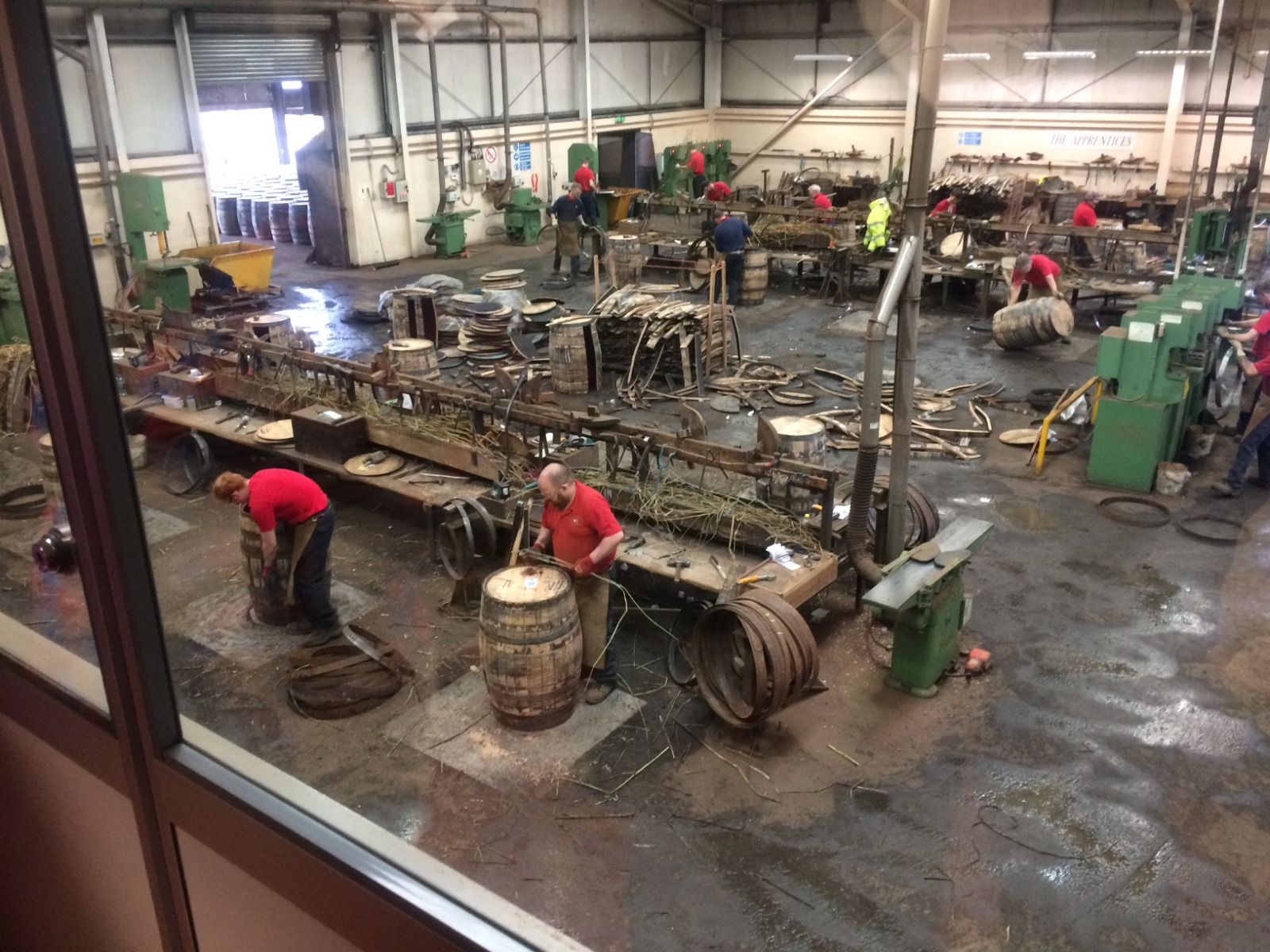
I have visited a lot of distilleries. I have stood in warehouses breathing in the angel's share, tasted new make spirit straight from the still, and walked peat bogs in the rain. But the Speyside Cooperage in Craigellachie stopped me in a way that few distillery visits do.
You walk up to the viewing gallery, look through the glass, and the floor below is chaos. Barrels everywhere. Hoops scattered across the concrete. Workers in red shirts bent over casks with mallets and tools that look like they belong in a medieval blacksmith's shop. The noise is constant. Metal on wood. Hammering. The hiss of steam.
And then you realise: every single cask that holds Scotch whisky has been through hands like these.
Why the Cask Matters More Than Most People Realise
The whisky industry has a saying: the cask contributes up to 70% of a whisky's final flavour. That number is debated, but the principle is not. The wood does the work. It softens the harsh new make spirit. It adds colour, vanilla, toffee, dried fruit, and spice. It breathes with the seasons, contracting in winter and expanding in summer, pushing the spirit in and out of the wood grain.
A bad cask produces a bad whisky. A great cask can turn an ordinary spirit into something extraordinary.
The Speyside Cooperage handles around 100,000 casks every year. Most are ex-bourbon barrels from America, which is why American white oak is the dominant cask type in Scotch whisky production. Some are ex-sherry butts from Spain, which give the darker, richer expressions that command premium prices. All of them need to be inspected, repaired, and certified before they can go back into a Scottish warehouse.
What a Cooper Actually Does
The craft of coopering has barely changed in 500 years. The tools are the same. The skills are the same. The apprenticeship is the same: four years of training before you are trusted to work independently.
A cooper takes a barrel that has been used, emptied, and shipped across an ocean. They inspect every stave for cracks, splits, or rot. They remove the heads. They replace damaged staves. They re-char the interior if needed, using a gas flame to toast the wood and open up the grain. They reassemble the barrel, drive the hoops back on with a mallet, and test it for leaks.
The whole process takes around 15 minutes per barrel when you are experienced. When you are an apprentice, it takes considerably longer.
What struck me most was the physicality of it. This is not a job you can do sitting down. Every movement is deliberate, skilled, and hard on the body. The coopers at Speyside work at a pace that makes the floor look like controlled chaos from above. Up close, it is precision.
The Speyside Cooperage on the Malt Whisky Trail
The cooperage is part of the official Speyside Malt Whisky Trail, which runs through Dufftown, Craigellachie, and the surrounding villages. Most visitors on the trail go distillery to distillery and skip the cooperage. That is a mistake.
The distilleries are impressive. The cooperage is essential. It is the place that connects everything else. Without the cask, there is no Scotch whisky. Without the cooper, there is no cask.
The viewing gallery is free to access with a paid tour. The gift shop stocks a good range of Speyside expressions. The car park is large and free. It is a 30-minute stop that most people extend to an hour once they start watching the floor.
If you are planning a Speyside trip and you are serious about understanding whisky, put the cooperage on the list. It will change how you think about every dram you pour.
Practical Information
The Speyside Cooperage is located on the Dufftown Road just outside Craigellachie, about 12 miles from Elgin and 5 miles from Dufftown. Opening hours are Monday to Friday, 9am to 4pm, with the last tour at 3:30pm. It is closed at weekends and on Scottish public holidays.
Admission is modest. The experience is not. Book ahead if you are visiting during the summer months, as tour slots fill quickly.
You can find the full listing, including directions and opening hours, on the Speyside Cooperage listing page.
FAQ
What is the Speyside Cooperage? The Speyside Cooperage in Craigellachie, Moray, is one of the last working cooperages in Scotland. It repairs and rebuilds around 100,000 oak casks per year for the Scotch whisky industry. Visitors can watch master coopers at work from a viewing gallery above the cooperage floor.
Is the Speyside Cooperage worth visiting? Yes. It is one of the most genuinely educational stops on the Speyside Malt Whisky Trail. Most whisky tourists focus on distilleries and miss the cooperage entirely. The 30-minute tour gives you a clear understanding of why the cask matters so much to the final whisky.
How long does a visit to the Speyside Cooperage take? Allow 45 minutes to an hour. The guided tour takes around 25 minutes. The gift shop and viewing gallery can easily fill the rest of the time.
Is the Speyside Cooperage on the Malt Whisky Trail? Yes. It is one of the official stops on the Speyside Malt Whisky Trail, which includes distilleries such as Glenfiddich, Balvenie, Strathisla, and Glenfarclas.
What casks does the Speyside Cooperage work with? The cooperage works primarily with ex-bourbon American white oak barrels and ex-sherry European oak butts. These are the two dominant cask types used in Scotch whisky maturation.