
Cask-It Journal
US Tariffs on Scotch Whisky Are Gone: What It Means for Scotland and for You
On 24 July 2026, the United States removed all tariffs on Scotch whisky. It is the biggest trade win for the industry in years, and it comes on top of the India FTA that came into force earlier this month. Here is what happened, why it matters, and what comes next.
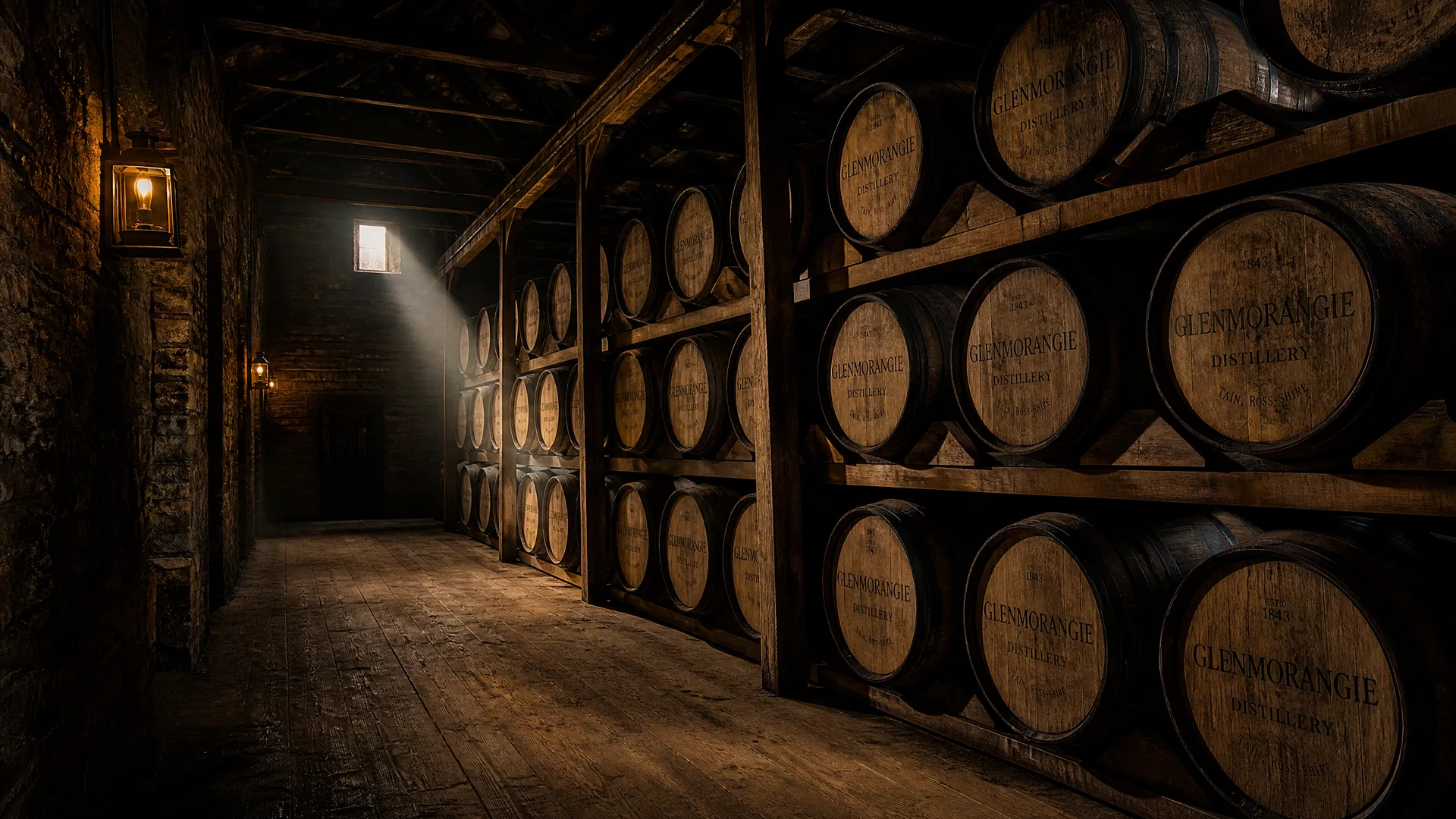
On 24 July 2026, the United States removed all tariffs on Scotch whisky. Zero. Gone. The first shipment of tariff-free Scotch left the UK within 48 hours, bound for Philadelphia, and the industry is still catching its breath.
This is not a small thing. The US is the single most valuable export market for Scotch whisky, worth £933 million in 2025 alone. For context, that is almost one pound in every five earned from Scotch exports going to American consumers. When tariffs go up, that number falls fast. When they come down, the whole industry breathes easier.
How We Got Here
The story of US tariffs on Scotch whisky is a long and frustrating one, and it is worth understanding before we celebrate too loudly.
It started in October 2019, when the United States imposed a 25% tariff on single malt Scotch whisky as part of a retaliatory measure in the Boeing-Airbus dispute. The two aerospace giants had been fighting a subsidy war for years, and Scotch whisky found itself caught in the crossfire. The industry had nothing to do with aircraft manufacturing, but that did not matter. The tariff cost the Scotch whisky industry over £600 million in lost exports between October 2019 and March 2021, when a temporary suspension was agreed.
That suspension held for a few years, but the threat never fully went away. In April 2025, the US reimposed a 10% levy on Scotch whisky under a new round of global tariffs. That figure was due to rise to 25% for single malts earlier in 2026. The industry had been here before, and the mood in Scotland was grim.
Then came the King.
During His Majesty King Charles III and Queen Camilla's state visit to the United States in April 2026, the issue of whisky tariffs was raised directly with President Trump. Scotland's First Minister John Swinney had also raised it during a meeting in the Oval Office. The result was a commitment from the President to remove the tariffs entirely as part of the UK-US Economic Prosperity Deal.
On 24 July 2026, that commitment became reality.
What the Numbers Mean
The Scotch Whisky Association has been clear about the scale of what was at stake. The 10% tariff imposed in April 2025 cost the industry around £150 million before it was lifted. Had it risen to 25%, the damage would have been considerably worse. The previous 25% tariff between 2019 and 2021 wiped out more than £600 million in exports over 18 months.
The industry supports 41,000 jobs in Scotland and a further 25,000 across the rest of the UK. Those are not just distillery workers. They include farmers growing barley, cooperages making and repairing casks, logistics companies, packaging manufacturers, and the hospitality businesses that depend on whisky tourism. When exports fall, the effects ripple outward quickly.
Emily Weaver Rhodes, Deputy Director of the Scotch Whisky Association, put it plainly when she spoke to BBC Radio Scotland on the day the tariffs were lifted: "There are really strong grounds and good evidence for why this is important not just for the UK, but for the US economy and that is delivering on the president's ambition to create jobs. I think on both sides of the Atlantic we are raising a dram to celebrate."
She is right about the US side of the equation. Kentucky bourbon barrels are used to age Scotch whisky, and those barrels now enter the UK tariff-free as part of the same deal. The cooperages in Kentucky and the distilleries in Speyside are more connected than most people realise.
The First Shipment
The first tariff-free shipment of Scotch whisky to the US departed within 48 hours of the announcement. It was a high-value air freight of premium Scotch whisky distilled in Aberdeenshire, arranged by digital trade company LogChain, flying from Manchester to Philadelphia. The shipment was worth £60,000 and carried a limited-edition expression called Atlantic Proof, a 50% ABV Scotch matured in American oak casks and created specifically to mark the occasion.
In a neat piece of symbolism, the shipment was also the first to use entirely digital trade documentation rather than paper-based processes. No physical paperwork crossed the Atlantic. For small Scottish distilleries that have historically found the administrative burden of exporting to the US a genuine barrier, that matters as much as the tariff itself.
India as Well
It would be easy to focus entirely on the US news and miss the other major development that came into force earlier in July. The UK-India Free Trade Agreement, which took effect on 15 July 2026, cut Indian import duties on Scotch whisky from 150% to 75% immediately, with a further reduction to 40% planned over the next ten years.
India is the largest whisky market in the world by volume. Indian consumers drink more whisky than any other country on earth, though most of it is domestic production. Premium Scotch has always had a strong following among Indian consumers who can afford it, but a 150% import duty made it an expensive luxury. At 75%, and eventually 40%, the economics change significantly.
Secretary of State for Scotland Douglas Alexander described July 2026 as a landmark month for the industry: "This is the second action this month which has opened up the world even more to our whisky exports, with the India Free Trade Agreement, which came into force earlier in July, seeing tariffs reduced from 150% to 40% over the next ten years."
What It Means for Distilleries
For the big blended Scotch producers, Diageo, Pernod Ricard, and Edrington, the US tariff removal is significant but manageable. They have the scale to absorb tariff costs and the distribution networks to adapt. The real difference will be felt by the smaller, independent distilleries that have been priced out of the US market or have been watching their margins shrink.
A distillery like Ardnahoe on Islay, or Benrinnes in Speyside, or any of the dozens of craft distilleries that have opened across Scotland in the past decade, now has a clearer path to American shelves. The US consumer has shown a consistent appetite for premium, independent Scotch. The tariff was the main thing standing between that appetite and the bottles that could satisfy it.
For Speyside in particular, this is significant. The region produces more Scotch whisky than anywhere else in Scotland, with distilleries from Aberlour to Dufftown to Rothes all sending product to the US. The Macallan, Glenfiddich, Glenlivet, and Balvenie are all major US sellers. They will all benefit.
Islay distilleries will feel it too. Laphroaig, Ardbeg, Bruichladdich, Bowmore, and the newer arrivals like Ardnahoe all have strong American followings. Peated Islay whisky has become something of a cult category in the US, and removing the tariff makes it easier for American whisky shops to stock a wider range.
What It Means for Consumers
If you are buying Scotch whisky in the United States, you may eventually see prices come down, though do not expect it to happen overnight. Retailers and distributors will adjust their pricing over time, and the most immediate effect will be on new stock arriving after the tariff removal. Existing inventory was imported under the old tariff structure, so those prices will not change.
The more significant effect for American consumers will be availability. Smaller Scottish distilleries that found the US market too expensive to enter, or that limited their US allocation because of the tariff, may now expand their presence. That means more choice on American shelves, particularly in the independent and craft segment.
For Scottish consumers and whisky tourists visiting Scotland, the effect is more indirect. A stronger export market means healthier distilleries, more investment in production and visitor facilities, and more reason for distilleries to keep their doors open to visitors. The whisky trail from Speyside to Islay depends on a healthy industry, and a healthy industry depends on export markets like the US.
A Good Month for Scotch
It is worth stepping back and acknowledging what July 2026 has meant for Scotch whisky. Two of the world's largest consumer markets, the United States and India, have both moved significantly in the industry's favour within the same month. The US has gone to zero tariffs. India has cut its duty by half immediately, with more reductions to come.
The Scotch Whisky Association has been lobbying for these outcomes for years. The Boeing-Airbus dispute that triggered the original 2019 tariffs was always an absurd reason to penalise an industry that had nothing to do with aircraft. The India duty had been a barrier to a market that was always going to be enormous for premium spirits. Both of those barriers are now lower, and one of them is gone entirely.
For everyone who loves Scotch whisky, whether you are a distillery worker in Dufftown, a whisky bar owner in Edinburgh, a collector in New York, or a first-time buyer in Mumbai, July 2026 is a month worth remembering.
Raise a dram.
Frequently Asked Questions
When did the US tariffs on Scotch whisky come into force? The original 25% tariff on single malt Scotch whisky was imposed in October 2019 as part of the Boeing-Airbus trade dispute. It was suspended in March 2021, then a new 10% tariff was imposed in April 2025. That tariff was removed entirely on 24 July 2026 as part of the UK-US Economic Prosperity Deal.
How much did the US tariffs cost the Scotch whisky industry? The 2019 to 2021 tariff cost the industry over £600 million in lost exports over 18 months. The 2025 tariff, which ran at 10%, cost around £150 million before it was lifted. The US market was worth £933 million to the Scotch whisky industry in 2025.
What is the India FTA and what does it mean for Scotch whisky? The UK-India Free Trade Agreement came into force on 15 July 2026. It cut Indian import duties on Scotch whisky from 150% to 75% immediately, with a further reduction to 40% planned over the next ten years. India is the world's largest whisky market by volume, and the duty cut opens up significant new commercial opportunities for Scottish distilleries.
Will Scotch whisky prices fall in the US? Prices may come down over time as new stock arrives under the zero-tariff arrangement, but existing inventory was imported under the old tariff structure. The more immediate effect for American consumers will be greater availability, particularly from smaller independent Scottish distilleries that previously found the US market too expensive to enter.
Which Scottish distilleries benefit most? All Scottish distilleries that export to the US benefit, but the effect will be most significant for smaller independent producers that have been priced out of the US market or have been limiting their US allocation because of the tariff. Major Speyside producers like Glenfiddich, Glenlivet, and The Macallan, along with Islay distilleries like Laphroaig, Ardbeg, and Bruichladdich, will all see improved margins on their US sales.
What was the Atlantic Proof shipment? Atlantic Proof was a limited-edition premium Scotch whisky created to mark the first tariff-free shipment to the US. It was distilled in Aberdeenshire, matured in American oak casks, bottled at 50% ABV, and shipped from Manchester to Philadelphia on 24 July 2026. A small number of commemorative bottles were presented to UK and US government representatives involved in securing the deal.