
Cask-It Journal
The Beginner's Guide to Scotch Whisky: Everything You Need to Know
You've heard the stories. You've seen the amber liquid in the glass. But where do you start? This guide cuts through the noise and gives you everything you need to begin your Scotch whisky journey with confidence.
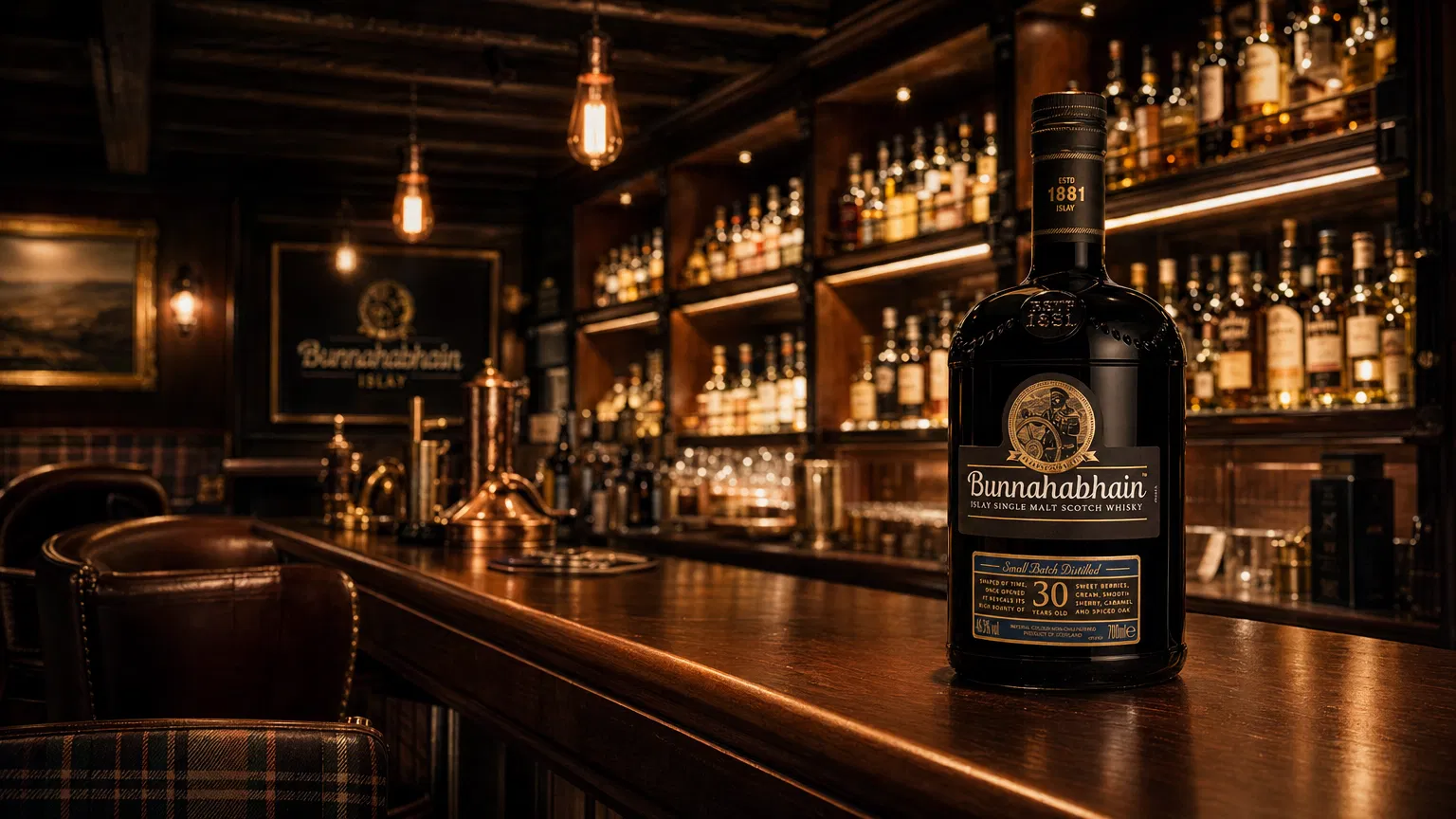
There's a moment that every whisky drinker remembers. The first time a dram truly made sense. Not just the taste - the whole picture. The distillery, the region, the history, the craft. That moment changes everything.
If you haven't had that moment yet, this guide is for you. And we start at the very beginning.
Whisky or Whiskey? The Spelling That Divides a World
Before you take your first sip, there's a question worth settling: why is it spelled two different ways?
The answer comes down to geography and tradition. Whisky (no 'e') is the spelling used in Scotland, Canada, Japan, and most of the rest of the world. Whiskey (with an 'e') is the spelling used in Ireland and the United States.
The divergence traces back to the 19th century. Irish distillers began adding the 'e' to distinguish their product from Scotch, which they considered inferior at the time. American distillers followed the Irish convention. The Scots kept the original spelling - and given that Scotch whisky is the world's most exported spirit, they've had the last word.
The rule of thumb: if it's Scottish or Japanese, it's whisky. If it's Irish or American, it's whiskey. When in doubt on this site, you'll always see the Scottish spelling - because this is Cask-It™, and we're firmly in Scotland.
The Origins: Uisge Beatha - Water of Life
The word whisky comes from the Scottish Gaelic uisge beatha - pronounced ish-keh bah-ha - meaning "water of life." It's the same phrase that gives us the Latin aqua vitae, used by monks across medieval Europe to describe distilled spirits.
The first written record of Scotch whisky dates to 1494, when the Scottish Exchequer Rolls recorded a payment to Friar John Cor of Lindores Abbey in Fife: "eight bolls of malt to Friar John Cor wherewith to make aqua vitae." Eight bolls is enough malt to produce around 500 bottles of whisky - suggesting this was no experiment. Distilling was already an established practice.
For the next three centuries, whisky production in Scotland was largely illicit. The Highland clans distilled freely, evading government excise officers in the remote glens and islands. By the early 19th century, it was estimated that over 14,000 illegal stills were operating across Scotland. The government was losing enormous tax revenue, and the quality of illegal whisky was wildly inconsistent.
The Excise Act of 1823: The Law That Built an Industry
Everything changed with the Excise Act of 1823. Championed by the Duke of Gordon and pushed through Parliament by Chancellor of the Exchequer Frederick Robinson, the Act made legal distilling economically viable for the first time. It reduced the tax on spirits and simplified the licensing process.
Within a decade, dozens of legal distilleries had opened across Scotland. The great names of Scotch whisky - Glenlivet (1824), Macallan (1824), Glenfiddich (1887) - trace their legal origins to the years following the Act. The illicit trade didn't disappear overnight, but the foundations of the modern Scotch whisky industry had been laid.
The 19th century also brought the blending revolution. Andrew Usher of Edinburgh began producing blended Scotch in the 1860s, combining malt and grain whiskies to create a consistent, approachable product. Brands like Johnnie Walker, Chivas Regal, and Dewar's brought Scotch to a global audience. By the end of the century, Scotch whisky was the world's most traded spirit.
What Is Scotch Whisky? The Legal Definition
Today, Scotch whisky is one of the most tightly regulated spirits on earth. The Scotch Whisky Regulations 2009 define five legally distinct categories, and understanding them is the single most important step in navigating a whisky menu with confidence.
Single Malt Scotch Whisky
This is the category that commands the most reverence - and the highest prices. A single malt must be produced at one single distillery, made exclusively from malted barley, distilled in traditional copper pot stills, and matured in Scotland for a minimum of three years in oak casks not exceeding 700 litres.
The word "single" refers to the distillery, not the cask. A bottle of Glenfiddich 18 may contain whisky from dozens of different casks, all from the same Dufftown distillery, vatted together by the master blender to achieve a consistent house style.
Single malts are prized because every distillery produces a genuinely unique spirit. The shape of the pot stills, the local water source, the yeast strain, the cask selection, and the microclimate of the warehouse all leave their fingerprint on the final whisky. Glenfarclas tastes nothing like Ardbeg, even though both are single malts. That individuality is the whole point.
What to expect: The full spectrum of Scotch flavour. Fruity and honeyed from Speyside, rich and full-bodied from the Highlands, intensely peated and maritime from Islay, light and floral from the Lowlands.
Classic examples: Macallan 18, Lagavulin 16, Glenmorangie Original, Springbank 15.
Single Grain Scotch Whisky
Less celebrated than single malt, but increasingly sought after by serious collectors. A single grain is produced at one distillery but uses malted barley plus other cereals - typically wheat or maize - and is distilled in tall, continuous column stills (also called Coffey stills or patent stills) rather than pot stills.
Column stills produce a lighter, more neutral spirit at higher ABV than pot stills, which is why grain whisky was historically used as the backbone of blends rather than bottled on its own. But aged for long periods in quality casks, single grain can develop extraordinary complexity. Aged expressions from Cameronbridge, Port Dundas, and North British have become cult items among collectors.
What to expect: Lighter and more delicate than single malt. Often vanilla-forward, with creamy cereal notes and subtle sweetness. Long-aged expressions develop toffee, coconut, and dried fruit.
Classic examples: Cameron Brig, Haig Club, Compass Box Hedonism.
Blended Malt Scotch Whisky
Formerly labelled as "vatted malt" or "pure malt", a blended malt is a marriage of two or more single malts from different distilleries, with no grain whisky involved. This category gives master blenders the freedom to combine the best characteristics of multiple distilleries into a single expression.
Compass Box is the most celebrated producer in this category, treating blended malt as a craft in its own right rather than a compromise. Their expressions are designed with the same intentionality as a fine single malt.
What to expect: The best of multiple worlds. A skilled blended malt can combine the smokiness of Islay with the fruit of Speyside in a way no single distillery could achieve alone.
Classic examples: Compass Box The Peat Monster, Johnnie Walker Green Label, Monkey Shoulder.
Blended Grain Scotch Whisky
The rarest category in commercial terms. A blended grain combines single grain whiskies from two or more distilleries, without any malt whisky. Compass Box Hedonism Quindecimus is one of the few widely available examples. This category is largely a collector's curiosity, but it demonstrates the range of what Scottish distillers can achieve.
Blended Scotch Whisky
This is the category that built the global Scotch industry. A blended Scotch combines one or more single malts with one or more single grain whiskies, and it accounts for around 90% of all Scotch sold worldwide. Johnnie Walker, Chivas Regal, Ballantine's, Dewar's, and Famous Grouse are all blended Scotches.
Blending was invented in the mid-19th century by grocers and merchants who recognised that combining the robust flavour of malt whisky with the lighter, more consistent grain whisky produced a drink that was more approachable, more consistent, and more affordable than single malt alone. It was a commercial masterstroke that turned Scotch whisky from a regional curiosity into the world's most exported spirit.
The craft of blending is genuinely complex. A master blender at Chivas Regal or Johnnie Walker may work with 30 to 50 component whiskies from different distilleries and age groups, tasting blind to ensure the final blend matches the house style year after year.
The snobbery that surrounds blended Scotch is largely misplaced. A 21-year-old blended Scotch from a serious producer can be a more sophisticated and complex drink than many single malts. Ballantine's 23 Year Old and Chivas Regal 25 are world-class whiskies by any measure.
What to expect: Approachable, consistent, and well-rounded. The best blends are smooth and complex; the entry-level expressions are designed for mixing.
Classic examples: Johnnie Walker Black Label, Chivas Regal 12, Ballantine's Finest, The Famous Grouse.
The Quick Reference
| Category | Made From | Distilleries | Still Type | Character |
|---|---|---|---|---|
| Single Malt | Malted barley only | One | Pot stills | Complex, individual, full-flavoured |
| Single Grain | Barley + other cereals | One | Column stills | Light, creamy, vanilla-forward |
| Blended Malt | Single malts only | Two or more | Pot stills | Best of multiple malts combined |
| Blended Grain | Single grains only | Two or more | Column stills | Rare, light, collector's category |
| Blended Scotch | Malts + grain whiskies | Multiple | Both | Consistent, approachable, 90% of market |
All Scotch must be distilled and matured in Scotland, bottled at a minimum of 40% ABV, and contain no added substances other than water and caramel colouring.
Scotland's Five Whisky Regions
Scotland is divided into five officially recognised whisky regions under the Scotch Whisky Association, each producing spirits with distinct characteristics shaped by geography, climate, water, and tradition.
Speyside is the most densely populated whisky region, home to over 50 distilleries along the River Spey. Speyside whiskies are typically elegant, fruity, and honeyed - think Glenfiddich, The Macallan, and Glenlivet.
The Highlands is the largest region, stretching from Perthshire to the far north. The diversity of the landscape produces an equally diverse range of whiskies, from the light and floral south to the rich and full-bodied north.
Islay (pronounced "Eye-luh") is a small island off Scotland's west coast that produces the world's most intensely peated whiskies. Ardbeg, Lagavulin, and Laphroaig are the holy trinity of Islay peat.
The Lowlands produces lighter, more delicate whiskies, often triple-distilled. It's the perfect starting point for newcomers to Scotch.
Campbeltown, once the whisky capital of the world with over 30 distilleries, now has just three - but Springbank alone is worth the trip to this remote Kintyre peninsula.
The island distilleries - Skye, Orkney, Mull, Jura, Arran, Harris, and Raasay - are officially part of the Highlands region under the SWA. They are often discussed separately because of their distinct maritime character. Highland Park and Talisker are the standard-bearers.
Where to Start Your Journey
If you're new to Scotch, start with a Speyside or Lowland expression. Glenlivet 12, Glenfiddich 12, or Auchentoshan Three Wood are all approachable, well-crafted whiskies that won't overwhelm your palate.
Once you're comfortable, venture into the Highlands with Glenmorangie Original or Oban 14. Then, when you're ready, take the plunge into Islay. Start with Bowmore 12 before working your way to Lagavulin 16 and eventually Ardbeg 10.
How to Taste Whisky
Pour a small measure - about 25ml - into a tulip-shaped glass. Add a few drops of still water to open up the aromas. Nose the whisky gently before tasting. Take a small sip and let it sit on your palate for a moment before swallowing.
Don't worry about tasting notes. Your palate is unique. What matters is that you're paying attention and enjoying the experience.
The Journey Ahead
Scotch whisky is one of the world's great pleasures - a drink with five centuries of history, extraordinary diversity, and an endless capacity to surprise and delight. The journey from your first dram to a deep understanding of the craft takes years, but every step is worth it.
Start with what's in your glass. The rest will follow.
Frequently Asked Questions
What is the best Scotch whisky for beginners?
The best starting point is a Speyside or Lowland single malt. Glenlivet 12 and Glenfiddich 12 are both widely available, approachable, and well-crafted. They offer the classic Scotch profile of fruit, vanilla, and gentle oak without the intensity that can put off first-timers. Auchentoshan Three Wood is another excellent choice if you want something slightly richer. Avoid heavily peated whiskies like Ardbeg or Laphroaig until your palate has had time to adjust.
What is the difference between single malt and blended Scotch?
A single malt Scotch whisky is made from 100% malted barley at a single distillery. A blended Scotch is a mix of malt whiskies from multiple distilleries, often combined with grain whisky. Blends like Johnnie Walker and Chivas Regal make up around 90% of all Scotch sold worldwide. Neither is better than the other. Blends are consistent and approachable; single malts show the character of a specific place and production method.
How do you drink Scotch whisky properly?
There is no single correct way. Most experienced drinkers use a tulip-shaped glass, which concentrates the aromas. Pour about 25ml and nose the whisky before tasting. Adding a few drops of still water is widely recommended as it opens up the aromas and softens the alcohol. Ice is controversial among purists but is perfectly fine if you prefer it. The most important rule is to drink it the way you enjoy it most.
What are the 5 whisky regions of Scotland?
Scotland has 5 officially recognised whisky regions under the Scotch Whisky Association: Speyside, Highlands, Islay, Lowlands, and Campbeltown. Speyside is the most productive, home to over 50 distilleries including Glenfiddich, Macallan, and Glenlivet. Islay is famous for heavily peated, smoky whiskies. The Highlands is the largest region geographically and includes all the island distilleries - Orkney, Skye, Arran, Jura, Mull, Harris, and Raasay. Lowlands are known for lighter, more delicate expressions. Campbeltown was once the whisky capital of the world and now has just 3 distilleries.
What does Scotch whisky taste like?
Scotch whisky covers an enormous range of flavours depending on region, distillery, and maturation. Speyside whiskies tend to be fruity, floral, and honeyed. Highland whiskies range from light and grassy to rich and sherried. Islay whiskies are famous for peat smoke, iodine, and maritime notes. Lowland expressions are typically the lightest, with soft cereal and floral characters. The cask used for maturation adds further complexity: bourbon casks bring vanilla and caramel, while sherry casks add dried fruit, spice, and chocolate.
How long must Scotch whisky be aged?
By law, all Scotch whisky must be matured in oak casks in Scotland for a minimum of 3 years. Most distilleries age their standard expressions for 10 to 12 years. Age statements on the label refer to the youngest whisky in the bottle. Older does not always mean better. A well-matured 10-year-old from the right distillery can outperform a poorly matured 25-year-old. Non-age-statement (NAS) whiskies have become increasingly common as distilleries manage their stocks more flexibly.