
Cask-It Journal
What Is Single Malt Whisky? The Complete Guide
Single malt is the most searched whisky question on Google, and the answer is simpler than most people think. Here is everything you need to know about what single malt actually means, how it is made, and why it matters.
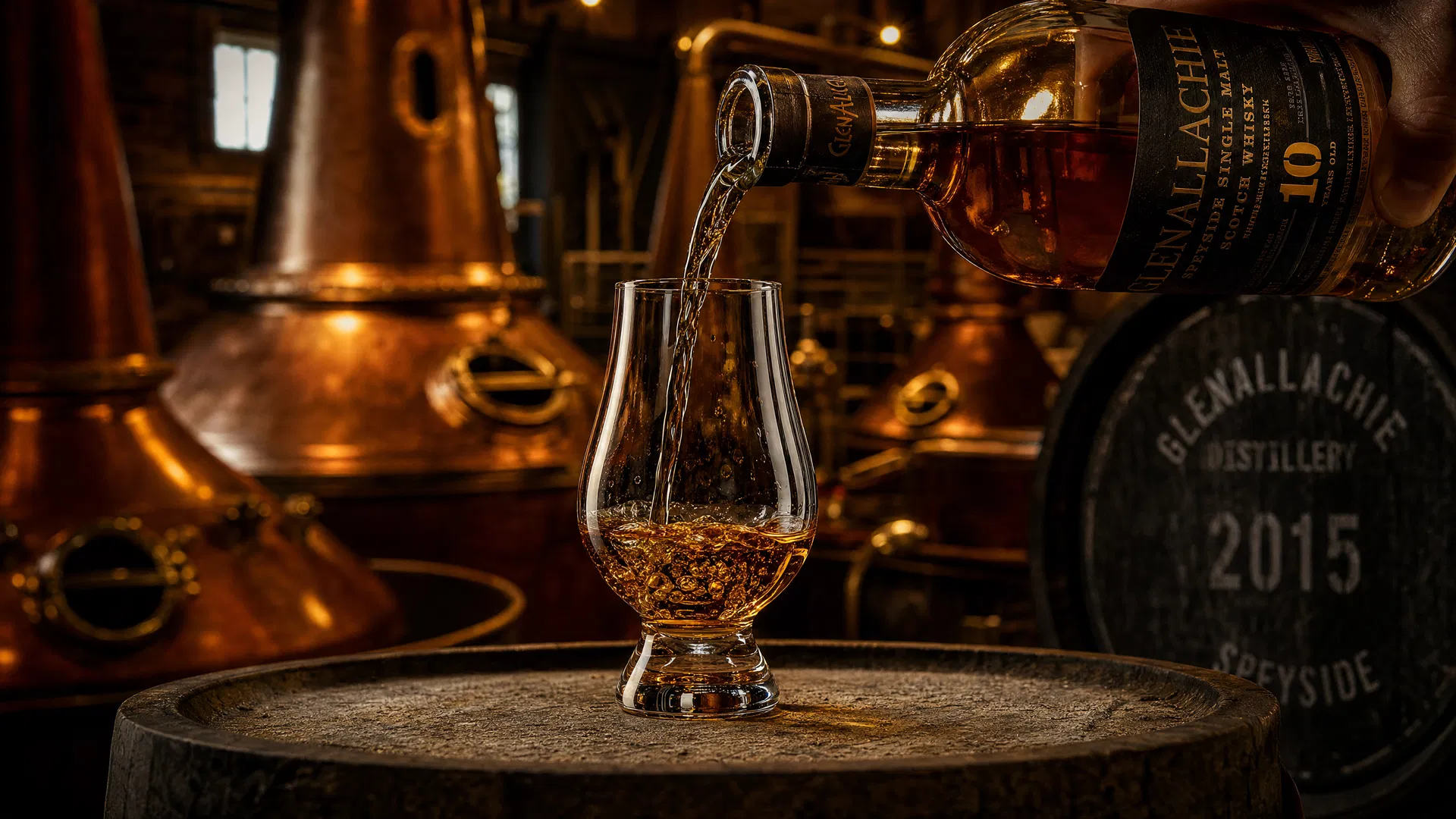
Single malt Scotch whisky is the most searched whisky question on Google. And the answer is simpler than most people expect.
Single malt does not mean it comes from one cask. It does not mean it is unblended in the way most people imagine. It does not mean it is better than other whisky styles. It means something very specific, and once you understand it, the whole world of Scotch whisky starts to make a lot more sense.
What Does Single Malt Actually Mean?
Single malt Scotch whisky must meet four legal requirements under Scotch Whisky Regulations 2009:
It must be made at a single distillery. That is where the "single" comes from. Not a single cask, not a single batch, but one distillery.
It must be made from malted barley only. No wheat, no corn, no rye. Just barley that has been soaked, allowed to germinate, then dried to stop the germination process. That is what "malt" means.
It must be distilled in pot stills. Not column stills, which are used for grain whisky. Traditional copper pot stills, which give single malt its characteristic richness and weight.
It must be matured in Scotland for a minimum of three years in oak casks. In practice, most single malts are aged for 10, 12, 15, or 18 years. Some are aged for 25, 30, or even 50 years.
That is it. Four rules. Everything else is the distillery's choice.
Single Malt vs Blended Whisky
This is the question that confuses most beginners. Here is the clear answer.
Single malt comes from one distillery, uses only malted barley, and is distilled in pot stills.
Blended Scotch (like Johnnie Walker, Chivas Regal, or Famous Grouse) combines single malt whisky from multiple distilleries with grain whisky made in column stills. Grain whisky is lighter and more neutral in flavour. Blending allows distillers to create a consistent, approachable product at scale.
Blended malt (sometimes called vatted malt) combines single malts from multiple distilleries but contains no grain whisky. Monkey Shoulder is a well-known example.
Neither style is superior. They are different products made for different purposes. Some of the world's finest whiskies are blends. The distinction is simply about where the whisky comes from and how it is made.
How Single Malt Is Made
Understanding the production process helps you understand why single malts taste the way they do.
Malting. Barley is soaked in water until it begins to germinate, then dried in a kiln to stop the process. The drying method matters enormously. If the kiln burns peat, the barley absorbs phenolic compounds that create the smoky flavour associated with Islay whiskies. If the kiln uses hot air alone, the barley stays unpeated and the whisky will be lighter and fruitier.
Mashing. The dried malted barley is ground into grist, then mixed with hot water in a large vessel called a mash tun. This converts the starches in the barley into fermentable sugars, producing a sweet liquid called wort.
Fermentation. The wort is transferred to large wooden or stainless steel vessels called washbacks, where yeast is added. Over 48 to 96 hours, the yeast converts the sugars into alcohol, producing a liquid called wash with roughly 8% ABV. Longer fermentation times tend to produce fruitier, more complex flavours.
Distillation. The wash is distilled twice in copper pot stills. The first distillation in the wash still produces a liquid called low wines at around 20% ABV. The second distillation in the spirit still brings this up to around 65-70% ABV. The distiller makes careful cuts during the second distillation, keeping only the middle section (the "heart") and discarding the heads and tails.
Maturation. The new make spirit goes into oak casks at no more than 63.5% ABV and sits in a bonded warehouse for years. The cask does most of the work. It contributes colour, softens harsh alcohol notes, and adds flavours of vanilla, caramel, dried fruit, and spice. Ex-bourbon barrels (American white oak) tend to give lighter, vanilla-forward flavours. Ex-sherry casks (European oak) give richer, darker, more dried-fruit-forward flavours.
Bottling. Most single malts are bottled at 40% or 43% ABV after being diluted with water. Some are bottled at cask strength, meaning no water is added. You can read more about cask strength whisky in our complete guide to cask strength.
The Five Whisky Regions of Scotland
Scotland has five officially recognised whisky regions, each with distinct characteristics shaped by geography, water, and tradition. You can explore all five in the Cask-It™ interactive map.
Speyside is home to more than half of all Scotland's malt whisky distilleries. The region runs along the River Spey in the northeast of Scotland and produces whiskies that are typically elegant, fruity, and approachable. Glenfiddich, The Macallan, and GlenAllachie are all Speyside distilleries. It is the best starting point for most beginners.
Highlands is the largest and most diverse region, stretching from Perthshire in the south to Caithness in the far north. Highland whiskies range from light and floral in the east to rich and full-bodied in the west. Glenmorangie, Dalmore, and the recently opened Struie Distillery in Sutherland are all Highland producers.
Islay (pronounced "eye-la") is a small island off the west coast of Scotland with 11 active distilleries. It is famous for heavily peated, smoky whiskies. Ardbeg, Lagavulin, and Laphroaig are the most well-known. The newest addition is Laggan Bay, which opened in April 2026. Islay is covered in depth in our Islay Pilgrimage guide.
Lowlands produces lighter, more delicate whiskies, often triple-distilled. Auchentoshan and Glenkinchie are the best-known examples. The region has seen a significant revival in recent years, with Ardgowan Distillery opening in Inverclyde in 2025.
Campbeltown was once the whisky capital of the world with more than 30 distilleries. Today only three remain: Springbank, Glen Scotia, and Glengyle. Campbeltown malts tend to be briny, full-bodied, and complex.
The Islands - Skye, Orkney, Mull, Jura, Arran, Harris, and Raasay - are officially part of the Highlands region under the Scotch Whisky Association's five protected geographical indications. They are often discussed separately because of their distinct maritime character, but legally and commercially they fall under Highlands. Highland Park and Talisker are the standard-bearers.
Age Statements: What the Numbers Mean
The age on a bottle of single malt tells you the minimum time the youngest whisky in the bottle has spent in cask. A 12-year-old whisky contains no whisky younger than 12 years old. It may contain whisky significantly older.
No age statement (NAS) whiskies contain no indication of age. This does not mean they are young or inferior. Many distilleries use NAS expressions to give their master distillers more flexibility in blending different ages for consistency and complexity.
Older does not automatically mean better. A well-crafted 10-year-old from a great distillery will outperform a poorly made 25-year-old every time. Age is one variable among many.
How to Taste Single Malt Whisky
You do not need special knowledge to taste whisky. You need a clean glass, a small amount of water, and attention.
Use a Glencairn glass if you have one. The tulip shape concentrates the aromas. Pour about 25ml. Before you add water, nose the glass from a few inches away. Let the alcohol vapour disperse. Then bring the glass closer and identify what you smell. Fruit? Vanilla? Smoke? Dried fruit? Flowers?
Take a small sip and let it sit on your tongue for a few seconds before swallowing. Note what you taste on the front of the palate, the middle, and the finish.
Now add a few drops of water. Water opens up the whisky, reducing the alcohol burn and releasing more aromatic compounds. Nose and taste again. The difference is often significant.
There are no wrong answers. If you taste green apple and someone else tastes pear, you are both right. Flavour perception is personal.
Where to Start: Recommended Single Malts by Style
| Style | Recommended Bottle | Region | Why It Works |
|---|---|---|---|
| Light and Fruity | Glenlivet 12 | Speyside | Accessible, affordable, widely available |
| Rich and Sherried | Glenfarclas 12 | Speyside | Full sherry influence, excellent value |
| Coastal and Maritime | Talisker 10 | Highlands (Skye) | Pepper, sea salt, light smoke |
| Heavily Peated | Ardbeg 10 | Islay | The benchmark peated malt |
| Floral and Delicate | Glenmorangie Original | Highlands | Light, approachable, good introduction |
| Cask Strength | Springbank 12 Cask Strength | Campbeltown | Unfiltered, full-flavoured, exceptional |
For a deeper dive into peated expressions, read our complete guide to peated whisky.
Frequently Asked Questions
What is the difference between single malt and blended Scotch? Single malt comes from one distillery and uses only malted barley distilled in pot stills. Blended Scotch combines single malt whisky from multiple distilleries with lighter grain whisky made in column stills. Neither is superior. They are different products made for different purposes.
Does single malt mean it comes from one cask? No. Single malt means it comes from one distillery. A typical bottle of single malt contains whisky from dozens or even hundreds of casks, blended together by the master distiller to achieve a consistent house style.
Is single malt always better than blended whisky? No. Quality depends on the distillery and the skill of the people making it, not the category. Some of the world's most respected whiskies are blends. The distinction is about production method and source, not quality.
What does the age statement on a bottle mean? The age on a bottle tells you the minimum age of the youngest whisky in the bottle. A 12-year-old contains no whisky younger than 12 years. No age statement (NAS) whiskies do not indicate age but are not necessarily young or inferior.
What is the best single malt for beginners? Glenlivet 12 or Glenmorangie Original are widely recommended starting points. Both are light, fruity, and approachable. Speyside is generally the most beginner-friendly region because the whiskies tend to be sweeter and less challenging than heavily peated Island expressions.
How should I drink single malt whisky? However you enjoy it. Adding a small amount of water is recommended by most distillers and whisky experts because it opens up the aromas and reduces alcohol burn. Ice is fine if you prefer it, though it numbs some of the flavour. There is no wrong way to drink whisky you have paid for.
What is cask strength single malt? Cask strength whisky is bottled directly from the cask without dilution, typically between 55% and 65% ABV. It is the most direct expression of what the distillery produces. Read our complete guide to cask strength whisky for everything you need to know.