Cask-It Journal
What Is Cask Strength Whisky? The Complete Guide
Cask strength whisky is the most honest expression of what a distillery actually makes. No water added. No dilution. Just the spirit exactly as it came out of the cask. Here is everything you need to know.
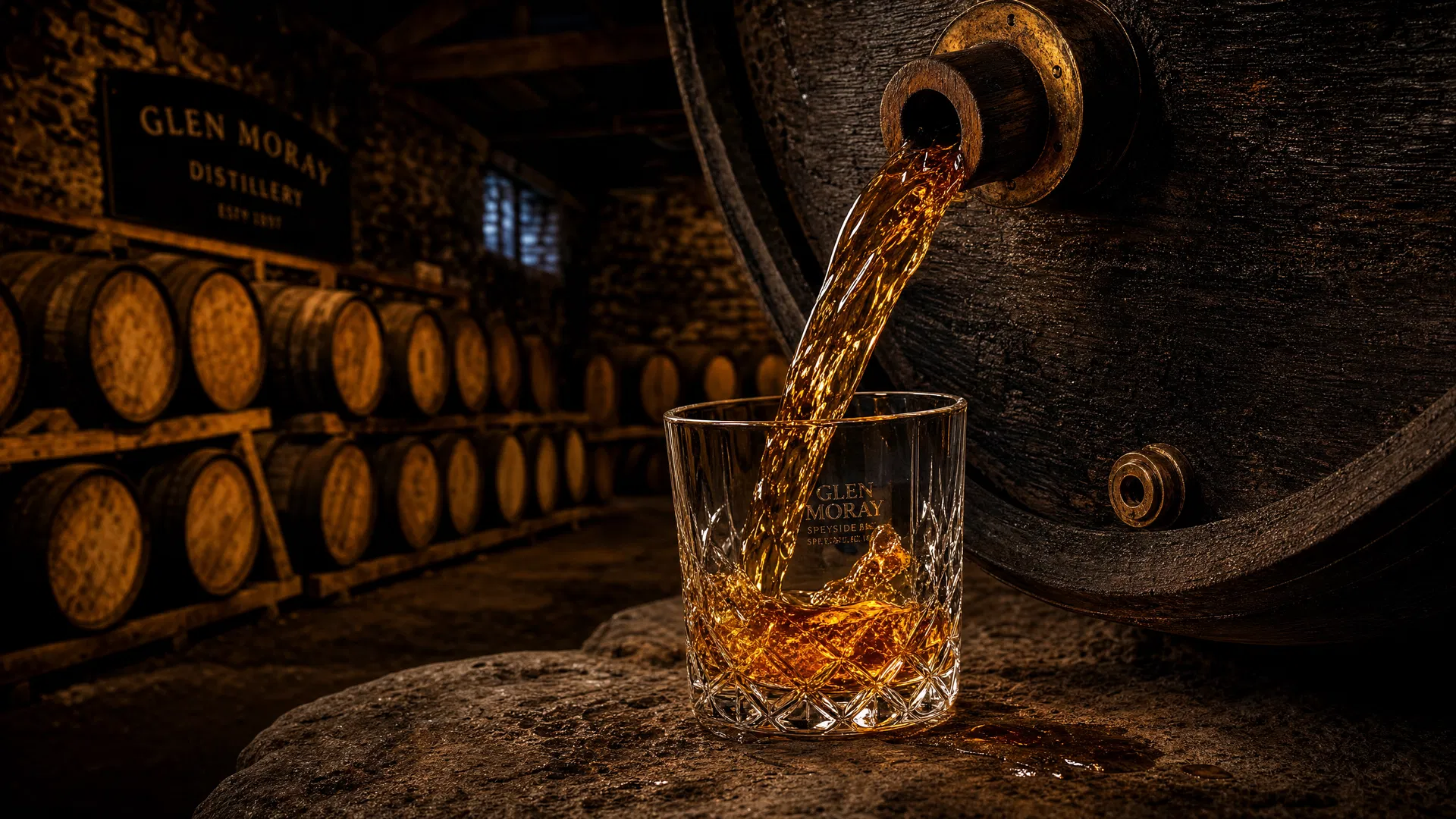
Most whisky you buy has been diluted before bottling. The distillery takes the spirit from the cask, adds water to bring it down to a standard ABV -- usually somewhere between 40% and 46% -- and then bottles it. That is the industry standard. It is consistent, predictable, and works well for most expressions.
Cask strength whisky does none of that.
It comes out of the cask and goes straight into the bottle. No water. No blending with other casks to hit a target ABV. Just the spirit exactly as it matured, at whatever strength the cask produced. That is why cask strength expressions are sometimes called "natural strength" or "barrel proof" -- the ABV you see on the label is the real one.
The result is a whisky that is more intense, more complex, and more individual than its standard-strength counterpart. It is also, for many serious whisky drinkers, the most honest expression of what a distillery actually makes.
What ABV Does Cask Strength Whisky Come In?
There is no fixed ABV for cask strength whisky. It depends entirely on what happened inside that cask over the years it was maturing.
New make spirit typically goes into the cask at around 63.5% ABV. That is the maximum permitted under Scotch whisky regulations. Over the years, the spirit interacts with the wood, and some of it evaporates -- the famous "angel's share." In Scotland's cool, damp climate, the spirit tends to lose more alcohol than water over time, so the ABV generally decreases during maturation.
A typical cask strength Scotch might come in anywhere between 52% and 65% ABV. Some expressions are lower, particularly older whiskies that have been maturing for 20 or 30 years. Some are higher, especially younger expressions from particularly active casks.
The variation is part of the point. Every cask is different. Every bottle of a cask strength expression is a snapshot of one specific cask, at one specific moment in time.
How Is Cask Strength Different from Standard Bottling?
The difference comes down to dilution and consistency.
A standard bottling is designed to be consistent year after year. The master blender at a distillery like Glenfiddich or Macallan selects dozens of casks, vatts them together, and then adds water to bring the blend down to the target ABV. The goal is a whisky that tastes the same in 2026 as it did in 2016.
A cask strength bottling makes no such promise. It is the output of a single cask -- or sometimes a small batch of casks -- bottled without dilution. The ABV will vary from batch to batch. The flavour profile will shift as the distillery draws from different casks. That variability is a feature, not a flaw. It is what makes cask strength whisky interesting to collectors and enthusiasts.
The other key difference is intensity. Diluting a whisky to 40% does not just reduce the alcohol -- it changes the flavour. Some of the more volatile aromatic compounds are suppressed. The texture becomes lighter. Adding water at the point of bottling is a deliberate creative choice, and for many expressions it is the right one. But for drinkers who want the full, unfiltered experience of what came out of the wood, cask strength is the answer.
Should You Add Water to Cask Strength Whisky?
Yes -- if you want to. No -- if you do not. There is no rule.
This is one of the most common questions about cask strength whisky, and the answer is genuinely personal. At 60% ABV, a whisky can be challenging to nose and taste. The high alcohol can overwhelm the more delicate aromatic compounds, particularly on the nose. Adding a few drops of water -- not a splash, a few drops -- can open the whisky up significantly, releasing aromas that were suppressed by the alcohol.
The technique is simple. Pour your dram. Nose it neat. Then add water one drop at a time, nosing after each addition, until you find the point where the whisky opens up without losing its character. For most cask strength expressions, that point is somewhere between 50% and 55% ABV -- which means you are adding relatively little water.
Some distilleries include a small pipette with their cask strength releases specifically for this purpose. Ardbeg and Laphroaig on Islay both produce celebrated cask strength expressions that reward careful dilution.
The one thing to avoid is over-diluting. If you add too much water, you lose the intensity that makes cask strength whisky worth buying in the first place.
What Are the Best Cask Strength Whiskies?
The best cask strength expressions come from distilleries that have a clear sense of what their spirit tastes like at full strength -- and the confidence to bottle it that way.
Ardbeg Uigeadail is one of the most celebrated cask strength expressions in the world. It combines Ardbeg's signature heavy peat smoke with sherry cask maturation, and it comes in at around 54.2% ABV. It won World Whisky of the Year at the Whisky Bible in 2009 and has never really fallen from favour since.
Springbank Cask Strength from Campbeltown is released annually in small batches, typically around 54% to 58% ABV. It is one of the few remaining distilleries that does everything on site -- malting, distilling, maturing, bottling -- and the cask strength expression shows exactly what that means in the glass.
Glenfarclas 105 is one of the oldest continuously produced cask strength expressions in Scotland. The "105" refers to the old British proof measurement -- 105 degrees proof, which is 60% ABV. It has been bottled at this strength since 1968 and remains one of the best value cask strength expressions available.
Laphroaig 10 Cask Strength is the standard Laphroaig 10 Year Old bottled without dilution, typically around 57% to 59% ABV. It is more intense and more complex than the standard expression, and it is one of the best introductions to cask strength Islay whisky.
Caol Ila Cask Strength from the Diageo Special Releases is released annually and consistently delivers one of the most balanced cask strength expressions from Islay -- smoky but not overwhelming, with a maritime freshness that makes it more approachable than some of its neighbours.
Is Cask Strength Whisky More Expensive?
Usually, yes -- but not always by as much as you might expect.
Cask strength expressions tend to cost more for a few reasons. They are often produced in smaller quantities than standard expressions. They require more careful selection and quality control, since there is no blending to smooth out inconsistencies. And they appeal to a more engaged, premium-focused segment of the market, which supports higher pricing.
That said, some cask strength expressions are remarkably good value. Glenfarclas 105, mentioned above, is available for around £45 to £55 in most UK whisky shops. For a 60% ABV expression from a serious distillery with decades of history, that is exceptional value. The Pot Still in Glasgow and Royal Mile Whiskies in Edinburgh both carry a strong selection of cask strength expressions at a range of price points.
The other consideration is yield. Because cask strength whisky is undiluted, you are effectively getting more whisky per bottle. A 70cl bottle at 60% ABV contains significantly more pure alcohol than a 70cl bottle at 40% ABV. If you are going to add water anyway, you can stretch a cask strength bottle considerably further than a standard one.
How Is Cask Strength Whisky Made?
The production process is identical to standard whisky production up to the point of bottling. The difference is entirely in what happens -- or rather, what does not happen -- at the end.
Malted barley is mashed, fermented, distilled in copper pot stills, and filled into oak casks at around 63.5% ABV. The casks are warehoused in Scotland for a minimum of 3 years under Scotch whisky regulations, though most quality expressions mature for much longer. During maturation, the spirit absorbs compounds from the wood -- vanilla, tannins, lactones -- and loses some volume and alcohol to evaporation.
When the distillery decides the whisky is ready, the cask is emptied. For a standard bottling, the spirit is then blended with other casks and diluted with water. For a cask strength bottling, it goes straight from the cask to the bottle. Sometimes it is chill-filtered to remove fatty acids that can cause cloudiness at lower temperatures; more often, cask strength expressions are non-chill-filtered, which preserves more of the texture and mouthfeel.
The result is a whisky that reflects the specific cask, the specific warehouse, and the specific years of maturation. No two cask strength expressions are exactly alike. That individuality is the whole point.
Where Can You Buy Cask Strength Whisky in Scotland?
Scotland has some of the best specialist whisky retailers in the world, and most of them carry a strong selection of cask strength expressions.
In Glasgow, the Pot Still on Hope Street is one of the finest whisky bars in the country, with a back bar of over 700 expressions including a serious cask strength section. In Edinburgh, Royal Mile Whiskies on the High Street is the go-to destination for serious collectors, with regular cask strength releases from independent bottlers alongside distillery expressions.
For the full experience, visiting the distilleries themselves is the best approach. Many distilleries -- including Ardbeg, Laphroaig, and Springbank -- sell exclusive cask strength expressions at their visitor centres that are not available anywhere else. If you are planning a whisky trip to Scotland, our Islay Whisky Pilgrimage Guide covers the island's distilleries in detail, and the Speyside Malt Whisky Trail Guide covers the heartland of Scottish single malt.
Frequently Asked Questions
What is cask strength whisky?
Cask strength whisky is whisky that has been bottled directly from the cask without any dilution. Standard whisky is diluted with water before bottling to reach a target ABV, typically between 40% and 46%. Cask strength whisky skips that step entirely, so the ABV on the label reflects the actual strength of the spirit as it came out of the cask.
What ABV is cask strength whisky?
Cask strength whisky typically comes in between 52% and 65% ABV, though the exact strength varies by distillery, cask type, and maturation length. New make spirit enters the cask at around 63.5% ABV, and the strength generally decreases over time as the spirit matures in Scotland's cool, damp climate. Older expressions tend to be lower in ABV than younger ones.
Should you add water to cask strength whisky?
You can add water to cask strength whisky if you want to. Adding a few drops of water can open up the aromas and make the whisky more approachable, particularly at very high ABVs. The technique is to add water one drop at a time and nose the whisky after each addition until you find the point where it opens up without losing its character. Some people prefer it neat; others prefer it with a small amount of water. There is no right answer.
Is cask strength whisky better than standard whisky?
Cask strength whisky is not necessarily better than standard whisky -- it is different. It is more intense, more individual, and more variable. Standard bottlings are designed for consistency; cask strength expressions are designed to show what a specific cask produced. Whether that is better depends entirely on what you are looking for. For collectors and enthusiasts who want the full, unfiltered experience of a distillery's spirit, cask strength is often the preferred choice.
What is the difference between cask strength and single cask whisky?
Cask strength refers to the ABV -- it means the whisky has not been diluted. Single cask means the whisky came from one specific cask, not a blend of multiple casks. A whisky can be both cask strength and single cask, but the terms describe different things. Many cask strength expressions are actually small batches of several casks vatted together, then bottled without dilution.
What are the most famous cask strength whiskies?
The most celebrated cask strength expressions include Ardbeg Uigeadail (around 54.2% ABV), Springbank Cask Strength (released annually, typically 54% to 58% ABV), Glenfarclas 105 (60% ABV, produced since 1968), Laphroaig 10 Cask Strength (around 57% to 59% ABV), and Caol Ila Cask Strength from the Diageo Special Releases. All are available at specialist whisky retailers in Scotland and internationally.
Is cask strength whisky more expensive?
Cask strength whisky is usually more expensive than standard expressions from the same distillery, because it is produced in smaller quantities and appeals to a premium market. However, some cask strength expressions offer excellent value -- Glenfarclas 105 at around £45 to £55 is one of the best examples. Because cask strength whisky is undiluted, you also get more pure alcohol per bottle, which means you can stretch it further if you add water.